Mathematics
Meet the Mathematics department's teaching team and learn how pupils build problem-solving skills through hands-on, real-world learning inside and outside the classroom.
Curriculum
Our Mathematics curriculum aims to equip our pupils with Mathematical skills, processes and concepts so that they can develop metacognition and positive attitudes to be effective and creative problem solvers in life.
T & L Framework
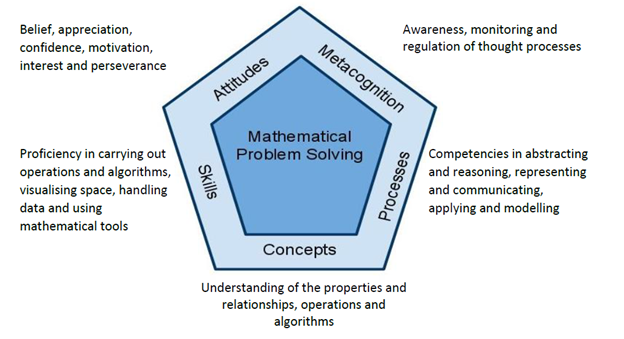
Our department programmes strive to equip our pupils with Mathematical skills, processes and concepts to solve problems in a variety of contexts within and outside Mathematics. Our teachers conscientiously practice the three phases of learning in the classroom – Readiness to Learn, Engagement in Learning and Mastery in Learning.
The engagement phase includes one or more of the three pedagogical approaches to support most of the Mathematics instructions in classroom – Activity-based Learning, Inquiry-based Learning and Direct Instruction.
The following subjects are offered at the three teaching groups.
Mathematics subjects offered by teaching group
Teaching Group | Subject(s) offered |
G3 Level |
|
G2 Level |
|
G1 Level |
|
Mathematics Programme
Learning Opportunities for Students
Mathematics and Additional Mathematics
We provide opportunities for students to
enhance conceptual understanding through use of various mathematical tools including ICT tools;
apply concepts and skills learnt in real-world context;
communicate their reasoning and connections through various mathematical tasks and activities;
build confidence and foster interest in mathematics.
Engaged Learning in the Mathematics Classroom
Step into Negative Numbers!
How can we make negative numbers easier to understand? Our 1G1 students use movement and hands-on activities to explore the negative number line.
By physically positioning themselves along the number line, students develop a clearer understanding of integers, their relative positions and the meaning of “greater than” and “smaller than”.
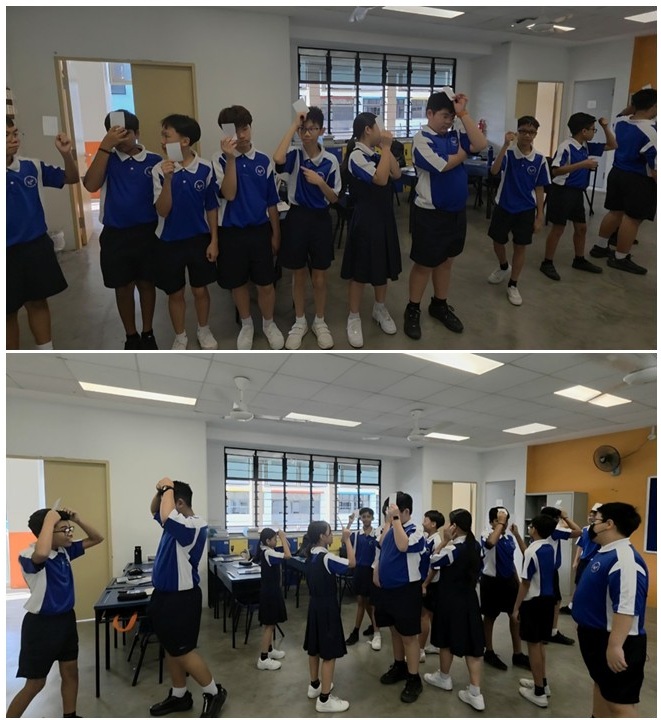
Move, Compare, Understand! · Learning Integers Through Movement
Complete My Diagram: Math Meets Creativity
Students are given a diagram with part of its line of symmetry provided. They use their understanding of symmetry to complete the missing sections, exploring patterns and spatial relationships along the way.
This hands-on activity encourages students to apply mathematical concepts creatively, develop visual reasoning and express their ideas through their own designs.
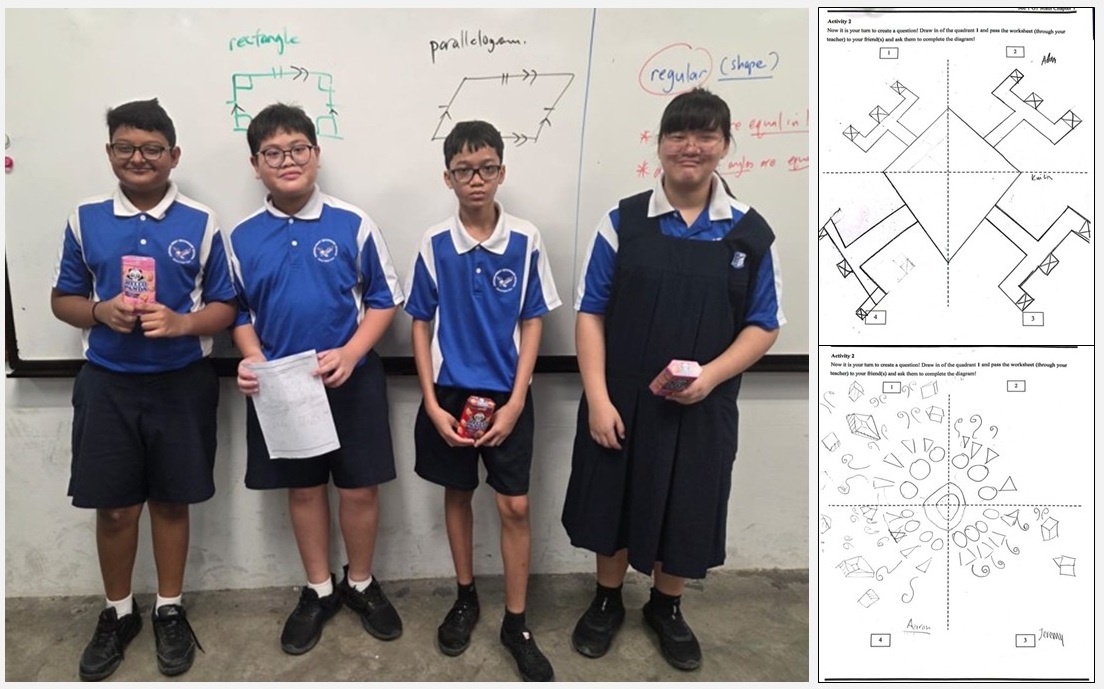
Discovering Symmetry Through Design · Think Mathematically, Create Creatively
From 2D to 3D: Visualising Mathematics
Our Mathematics teachers designed an innovative lesson to bridge the gap between flat diagrams and three-dimensional objects. Using interactive digital applets, students explored and rotated 3D models to uncover hidden triangles and perpendicular lines, bringing abstract concepts to life.
Through guided exploration and independent problem-solving, students developed their spatial visualisation skills and confidence in applying trigonometry to solve complex problems—no physical applets needed!
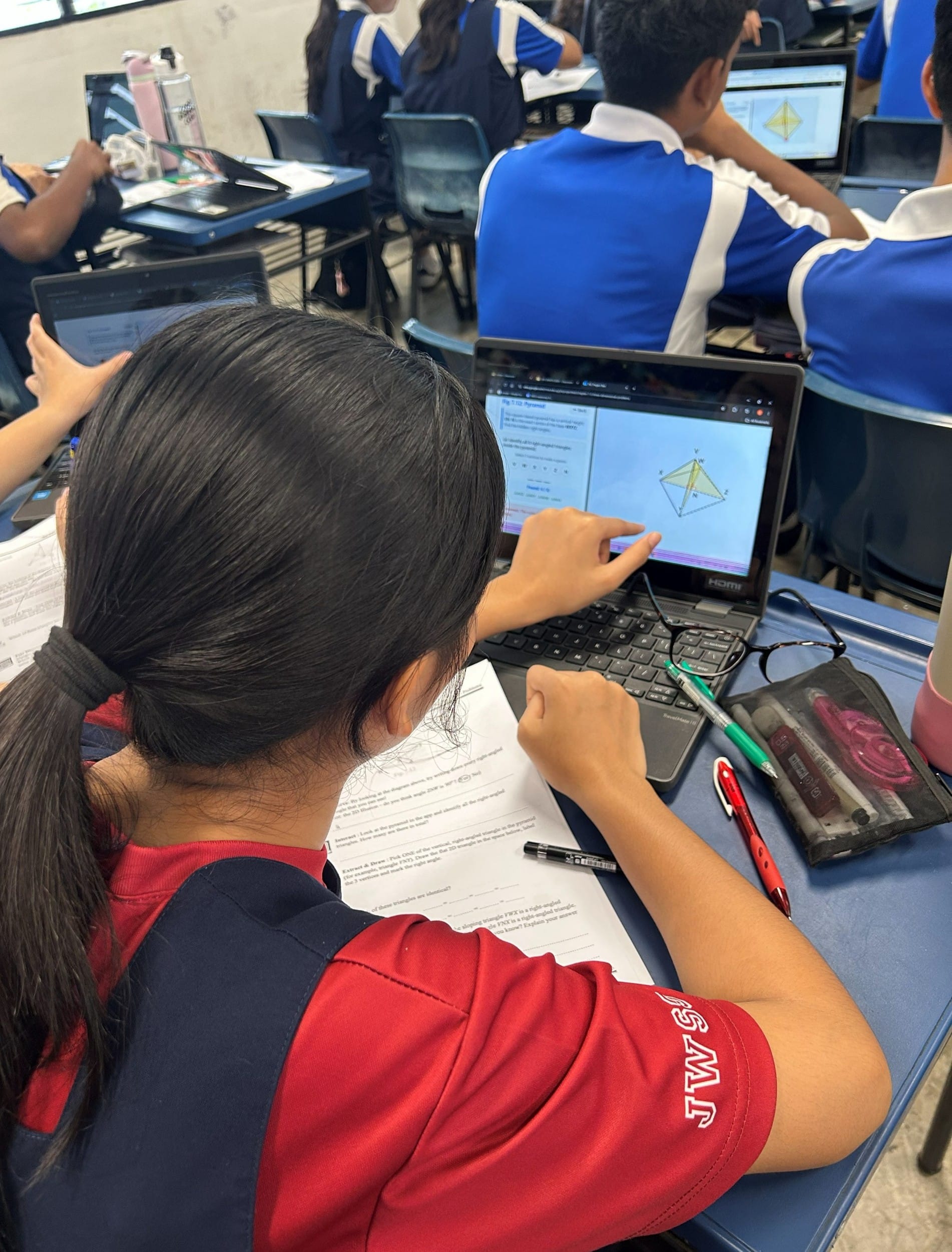
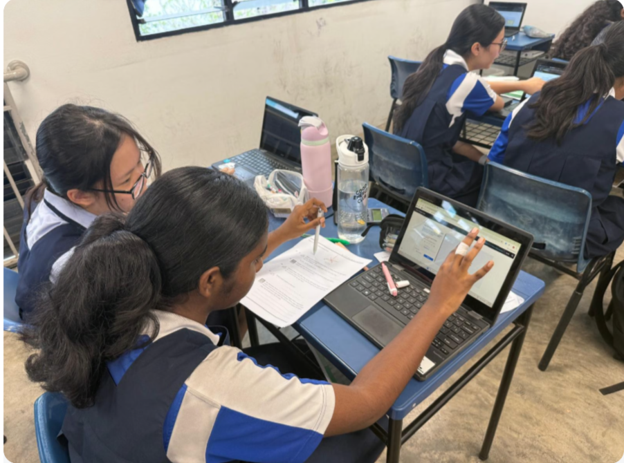
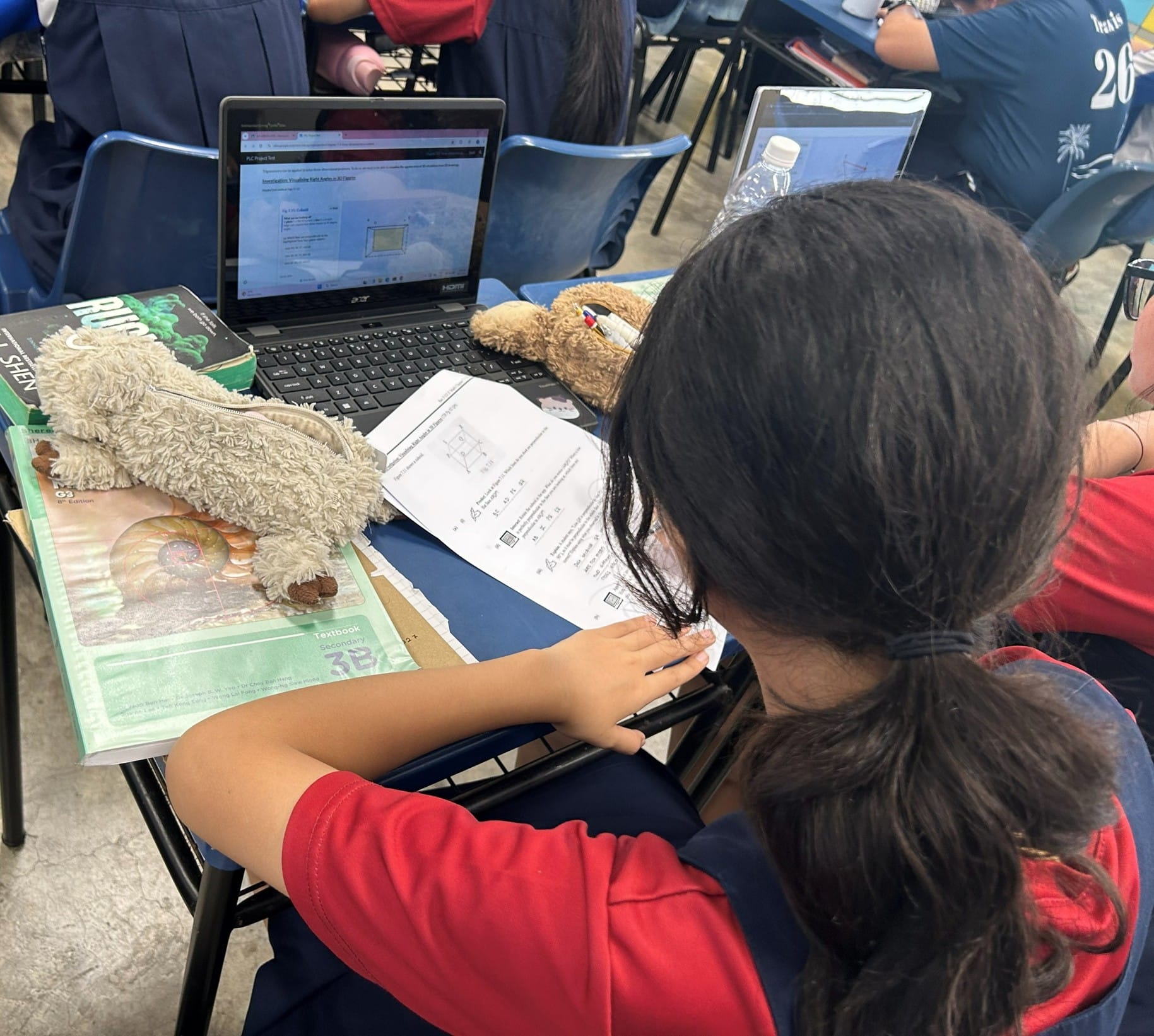
Math in Action: Solving Real-World Problems
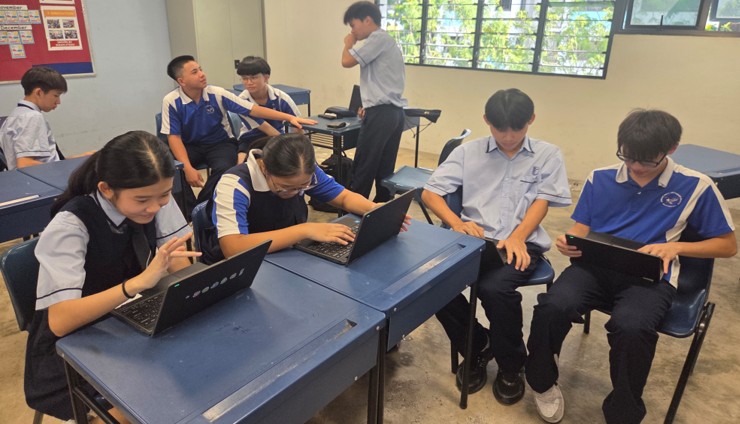
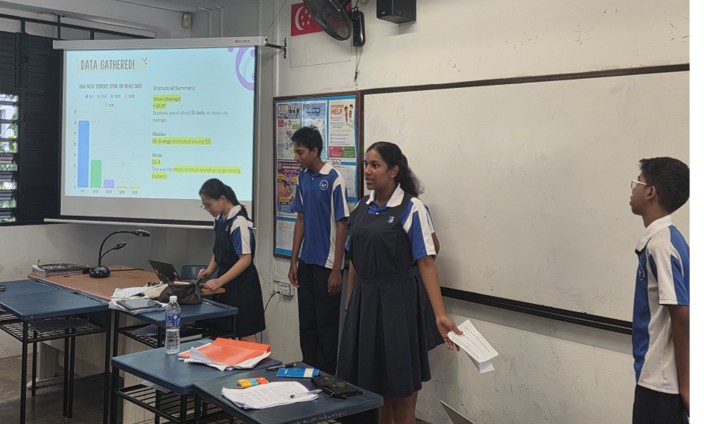
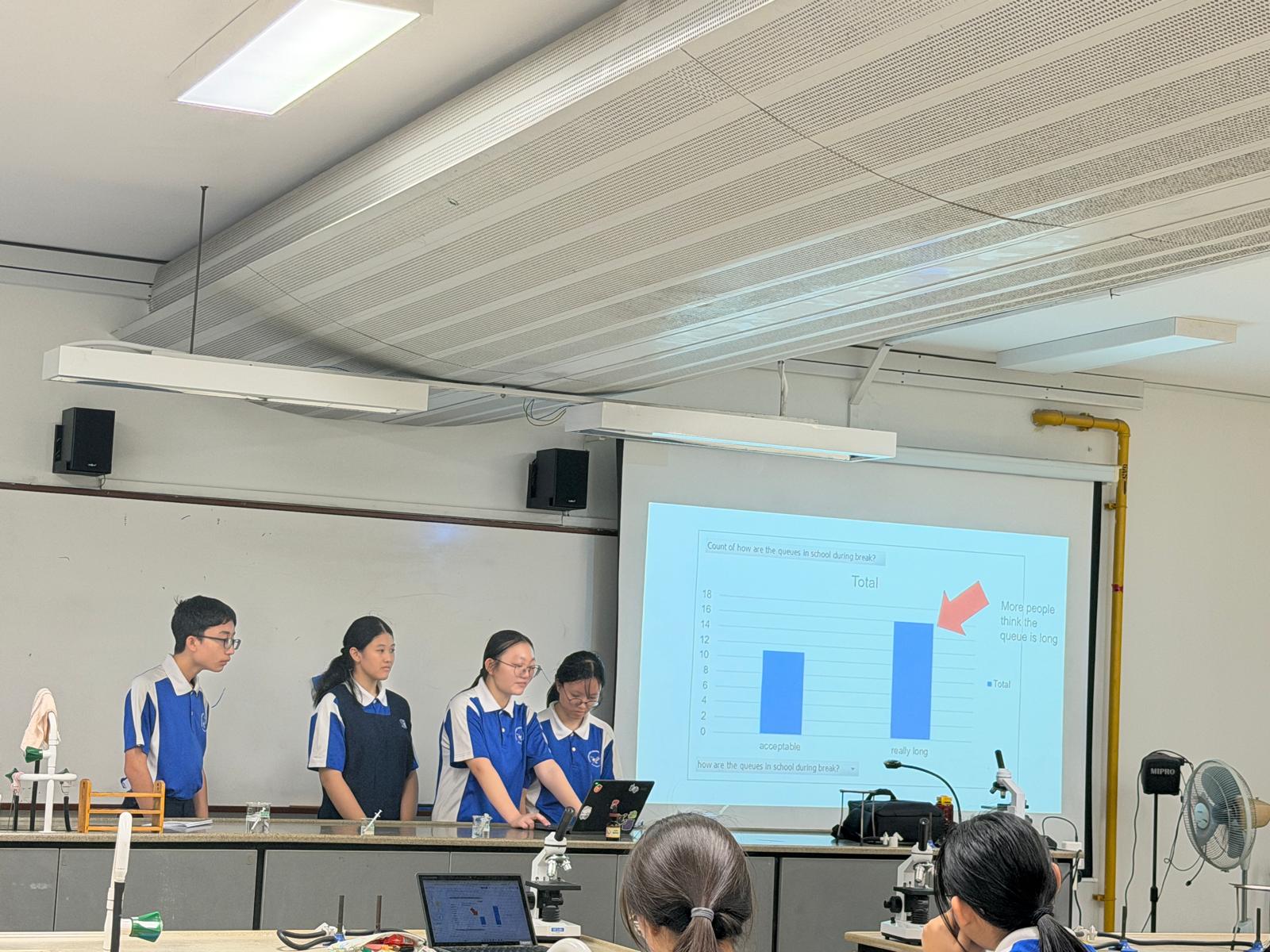
How can Mathematics help us make better decisions? Through an authentic mathematical modelling task, students explored the feasibility of opening a canteen stall.
Working in groups, they surveyed classmates, researched suitable food options, designed charts and analysed costs to determine whether their proposed stall could make a profit. Along the way, students developed critical thinking, collaboration and communication skills, discovering how Mathematics can be used to solve real-world problems.
Extending Learning beyond the Mathematics Classroom
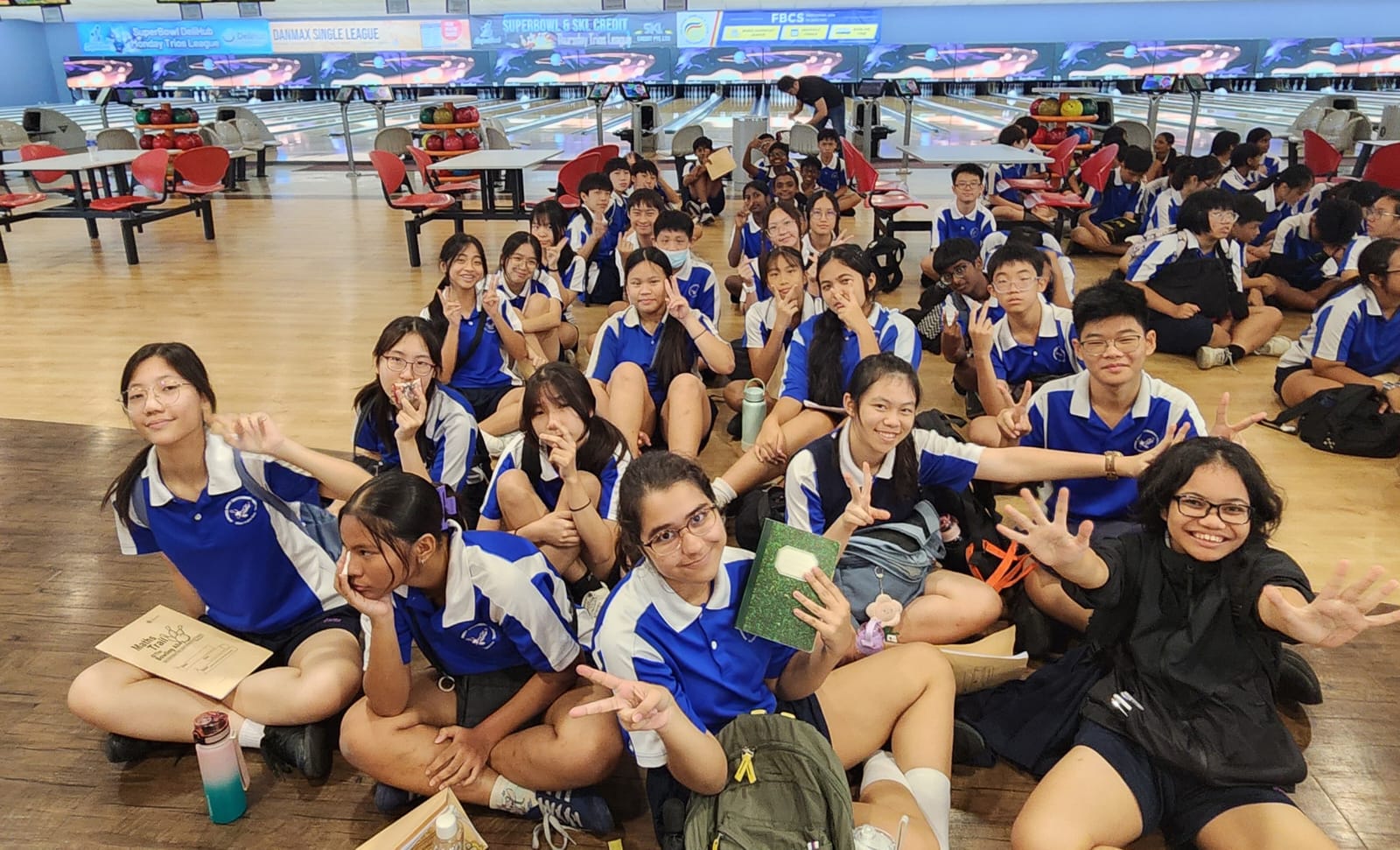
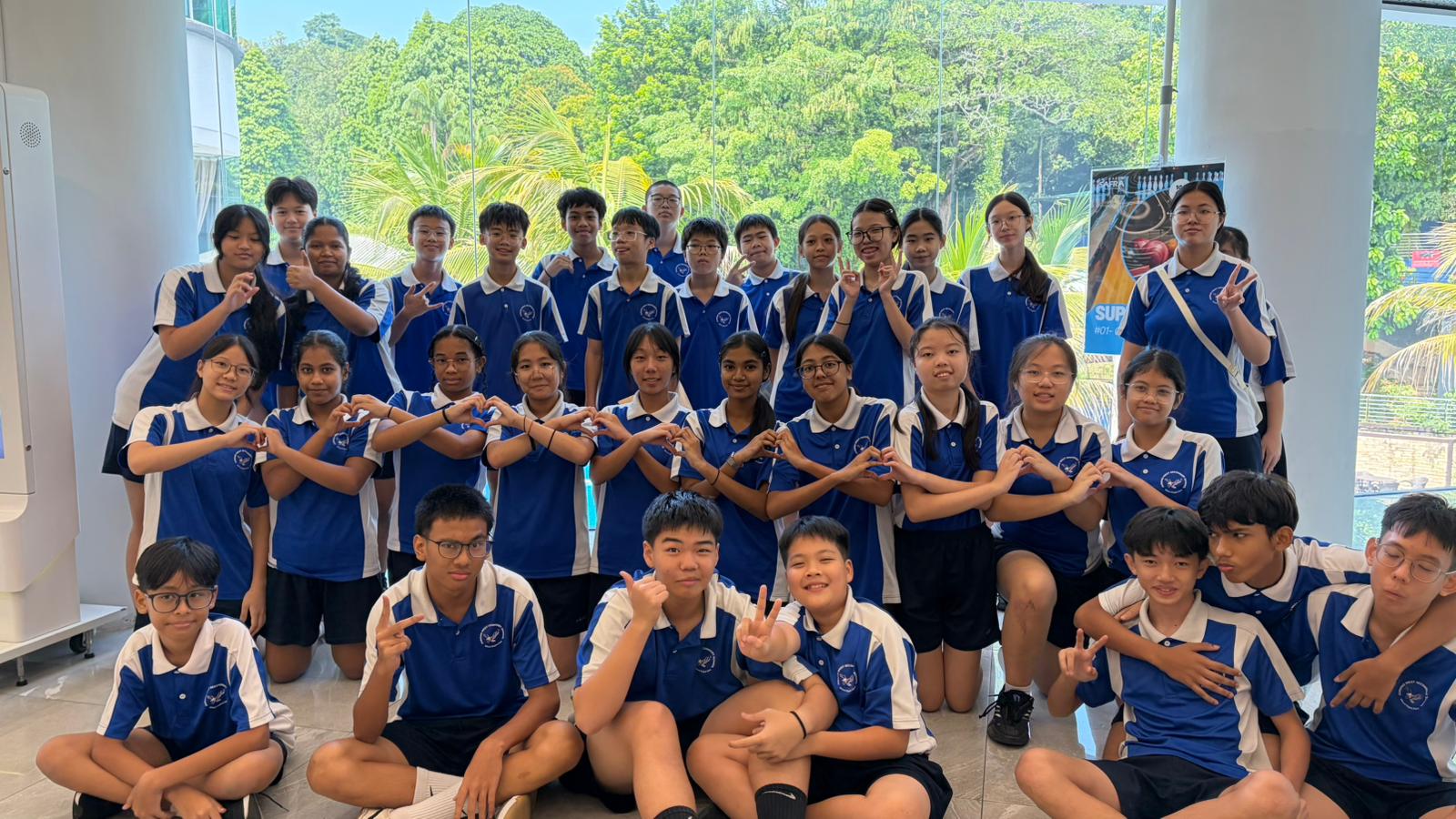
Math Learning Journey @ SAFRA Mount Faber
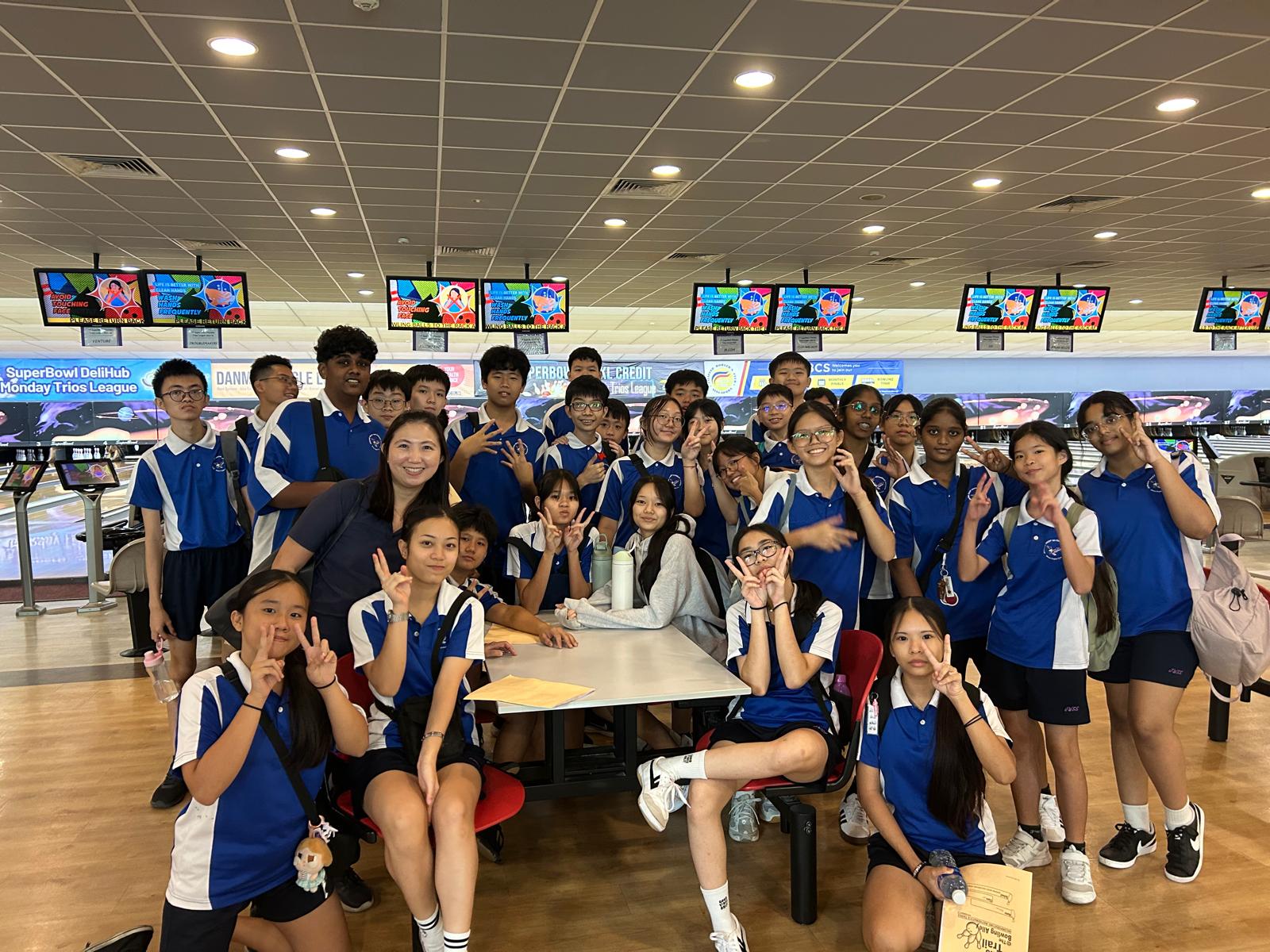
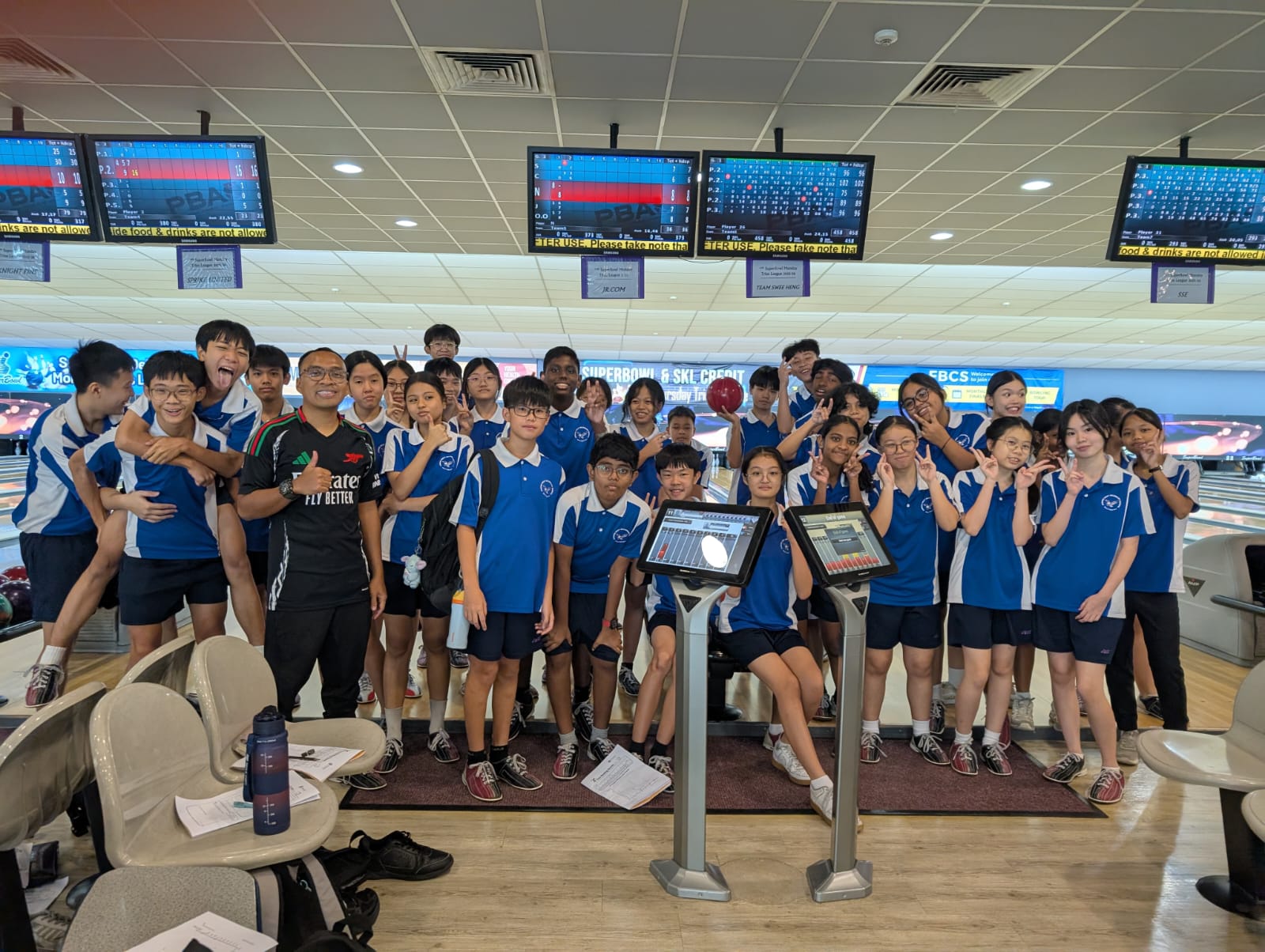
Who says Mathematics has to stay in the classroom? Our Secondary 2 students explored the connections between Mathematics and bowling through a hands-on learning journey. From angles and calculations to real-world applications, students discovered how mathematical concepts can help them understand and improve their game — all while having fun!
Math Quest: Dare to Take on the Challenge!
One Week. Daily Challenges. Endless Discoveries.
The adventure continues with Math Quest! Throughout the week, students tackle a new mathematical challenge each day, applying their knowledge, logical reasoning and problem-solving skills.
With online submissions and challenges accessible beyond the classroom, Math Quest encourages students to think critically, persevere and discover the excitement of Mathematics — one quest at a time.
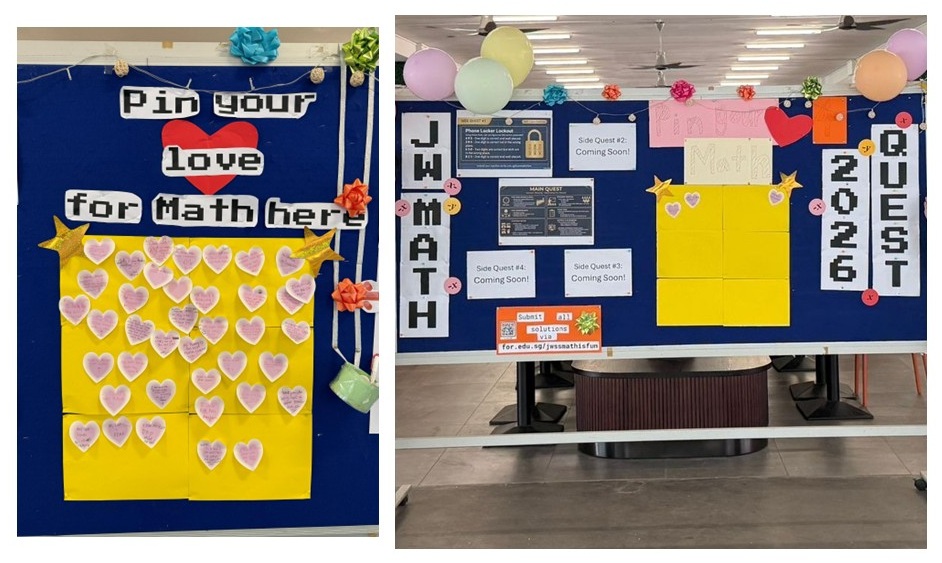
Students took part in Math Quest and shared their love for Mathematics through heartfelt messages.
Collaboration with Applied Learning Programme - AI for Fun
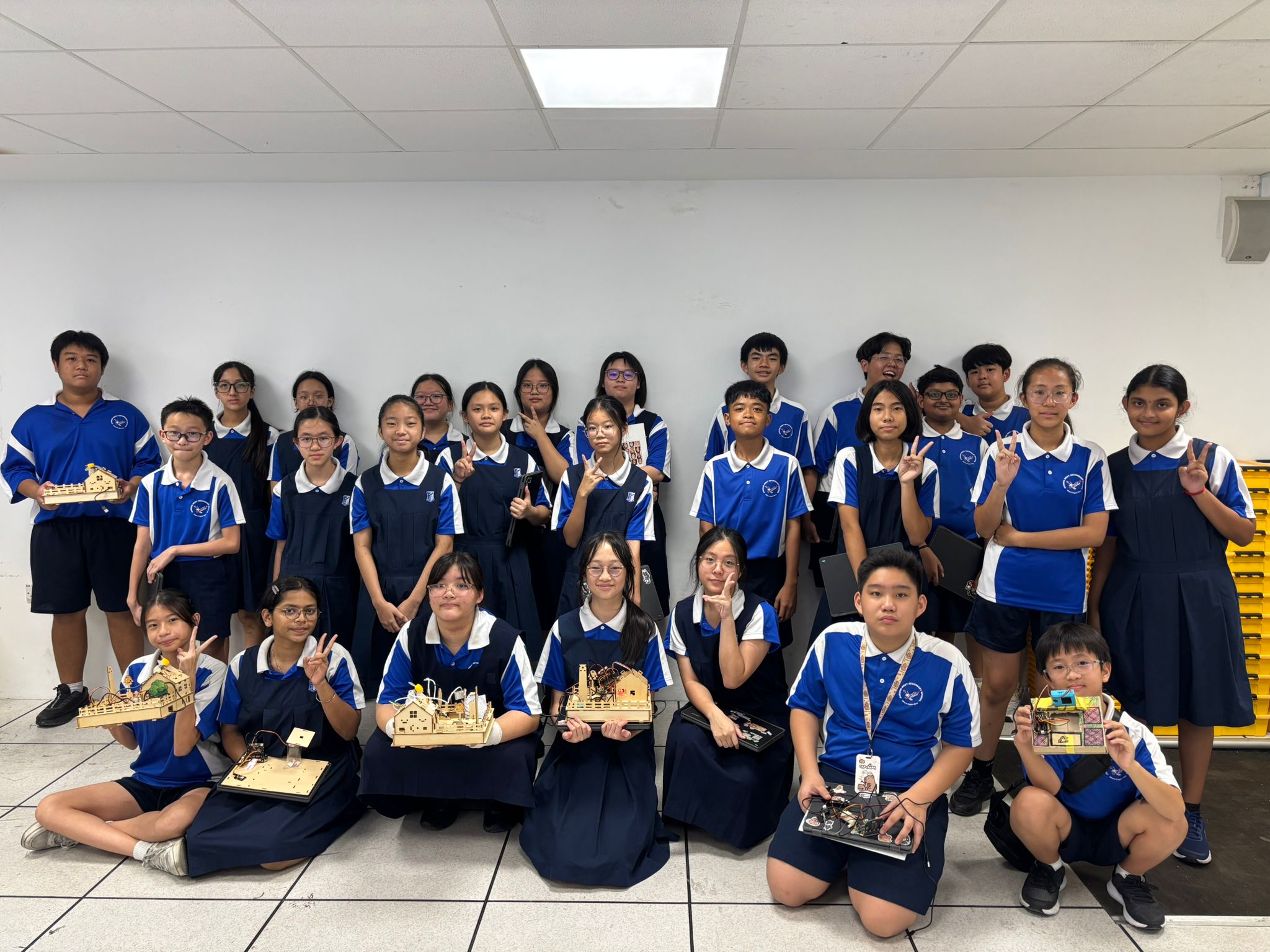
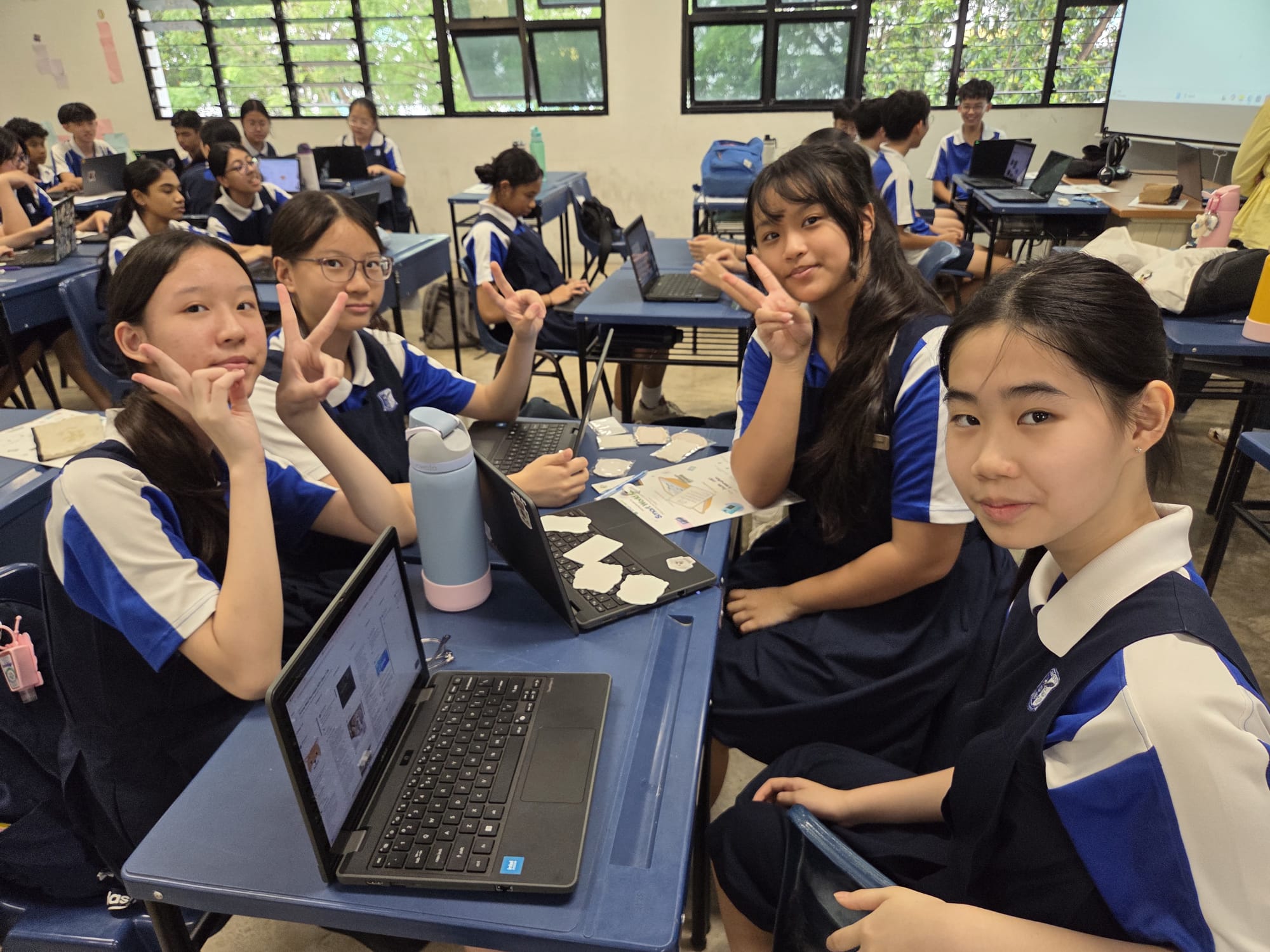
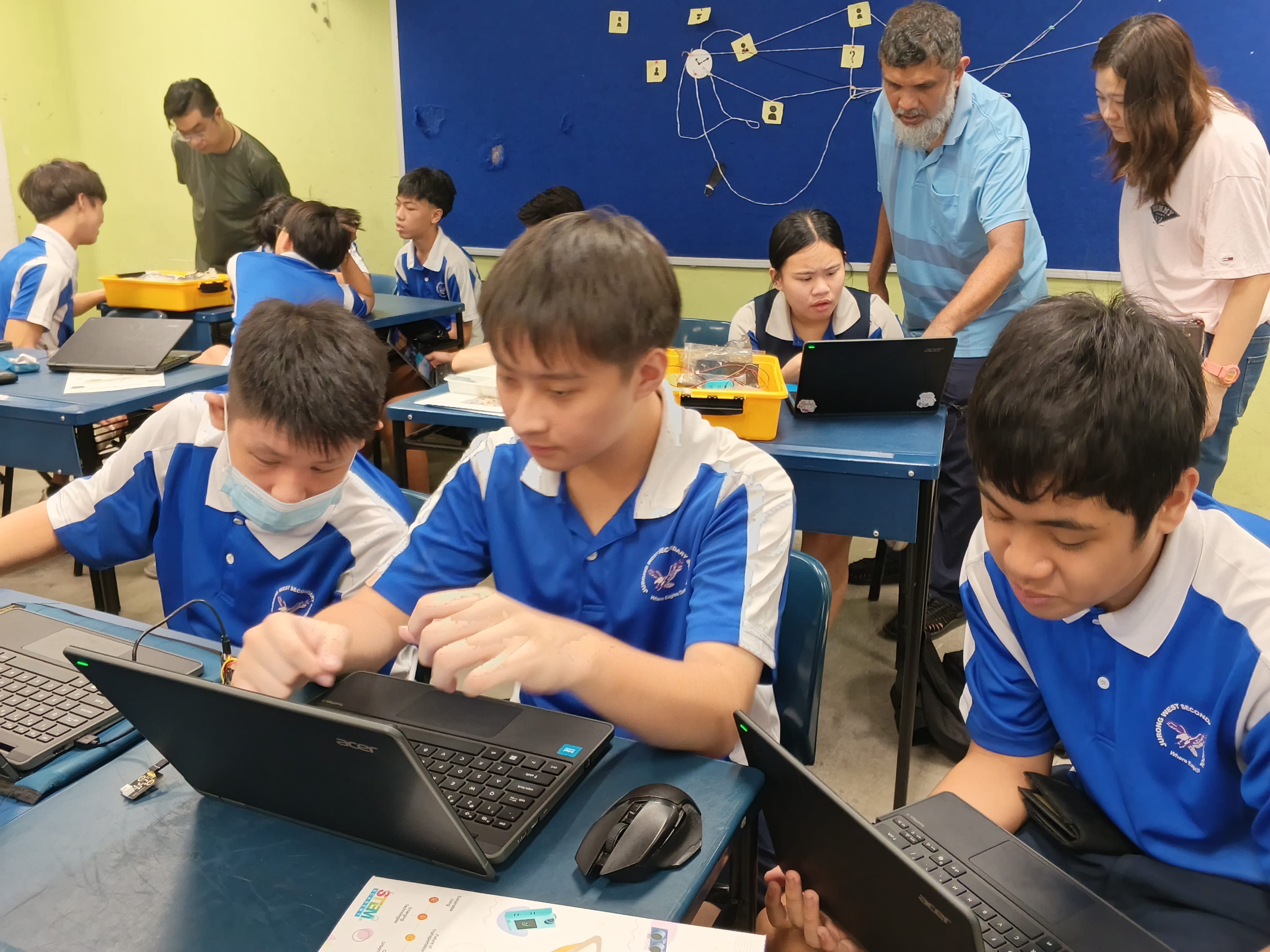
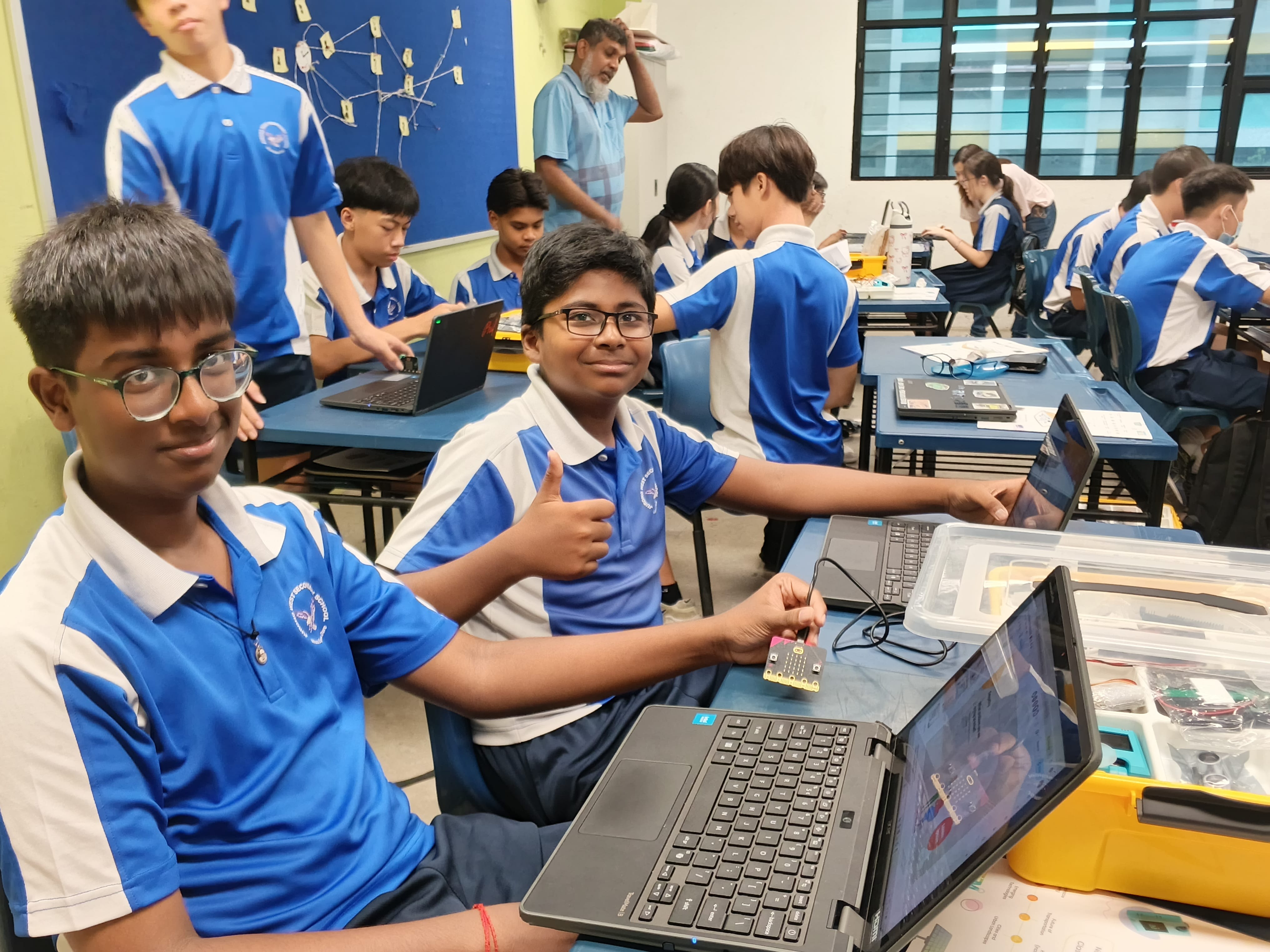
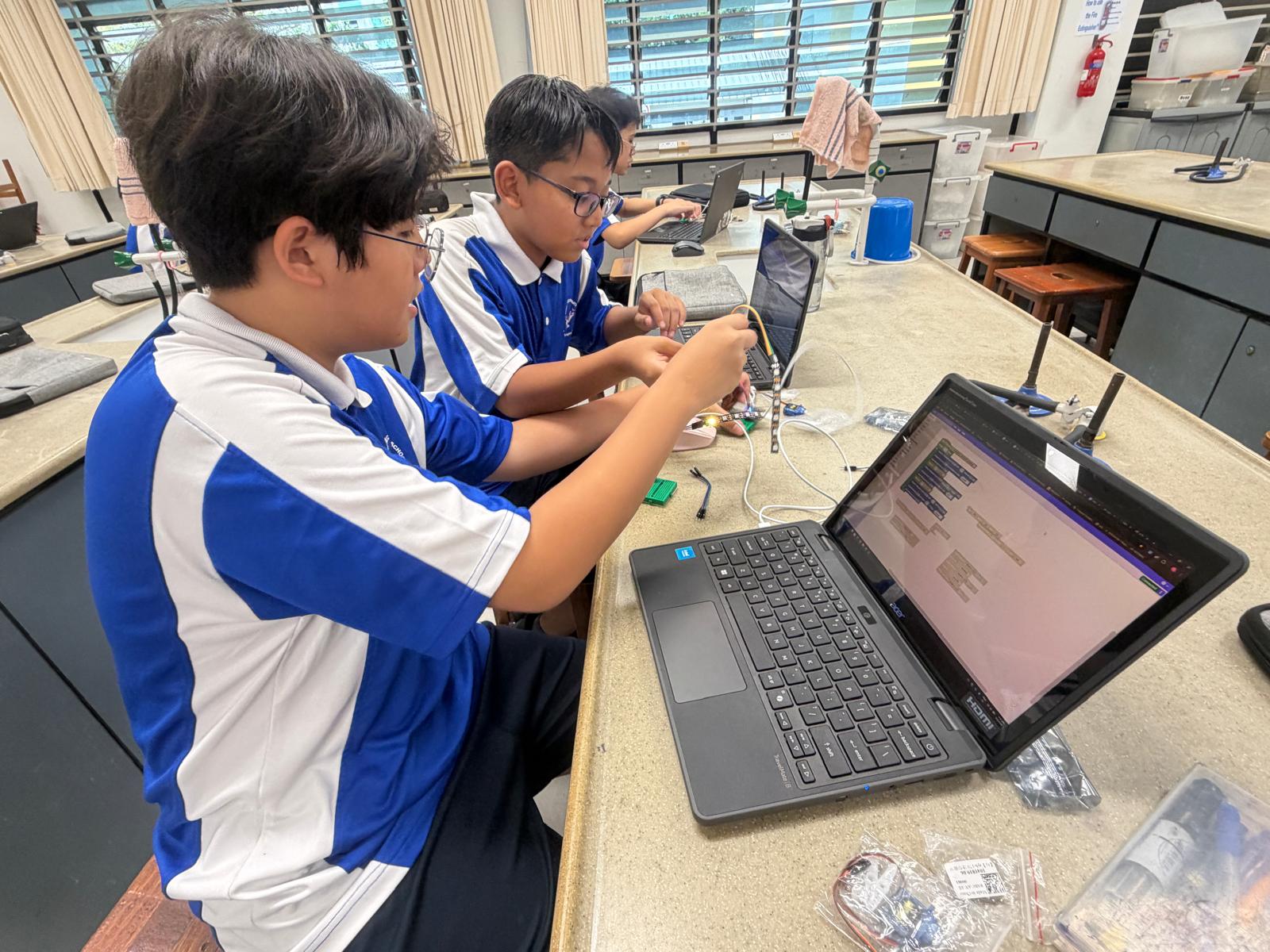
The AI for Fun programme integrates Mathematics with Artificial Intelligence, enabling students to apply mathematical thinking, logical reasoning and problem-solving to real-world challenges.
Through hands-on activities, students explore how AI applications support learning, enhance creativity and help solve meaningful problems.
Talent Development - Innovation JeWel Programme
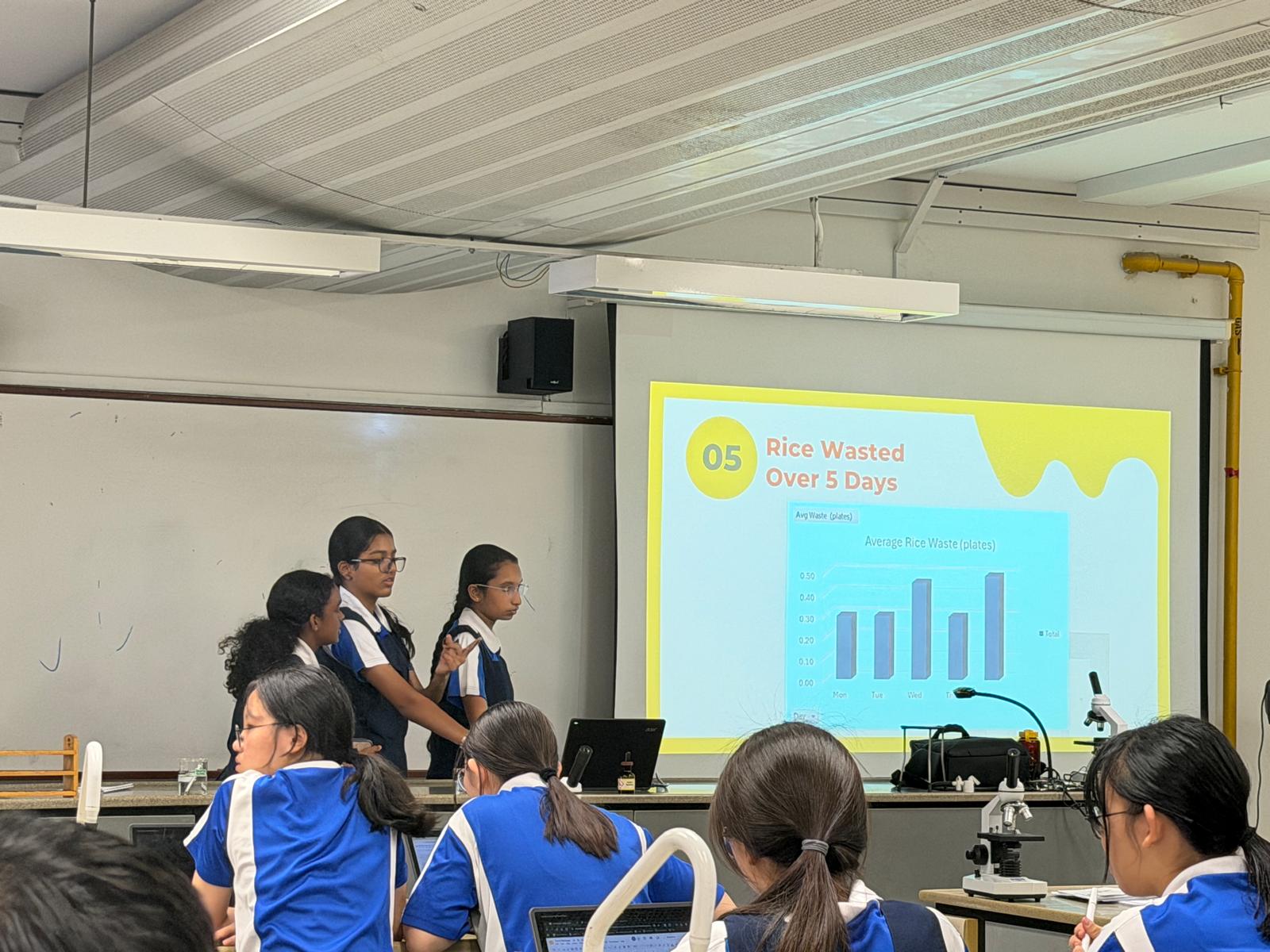
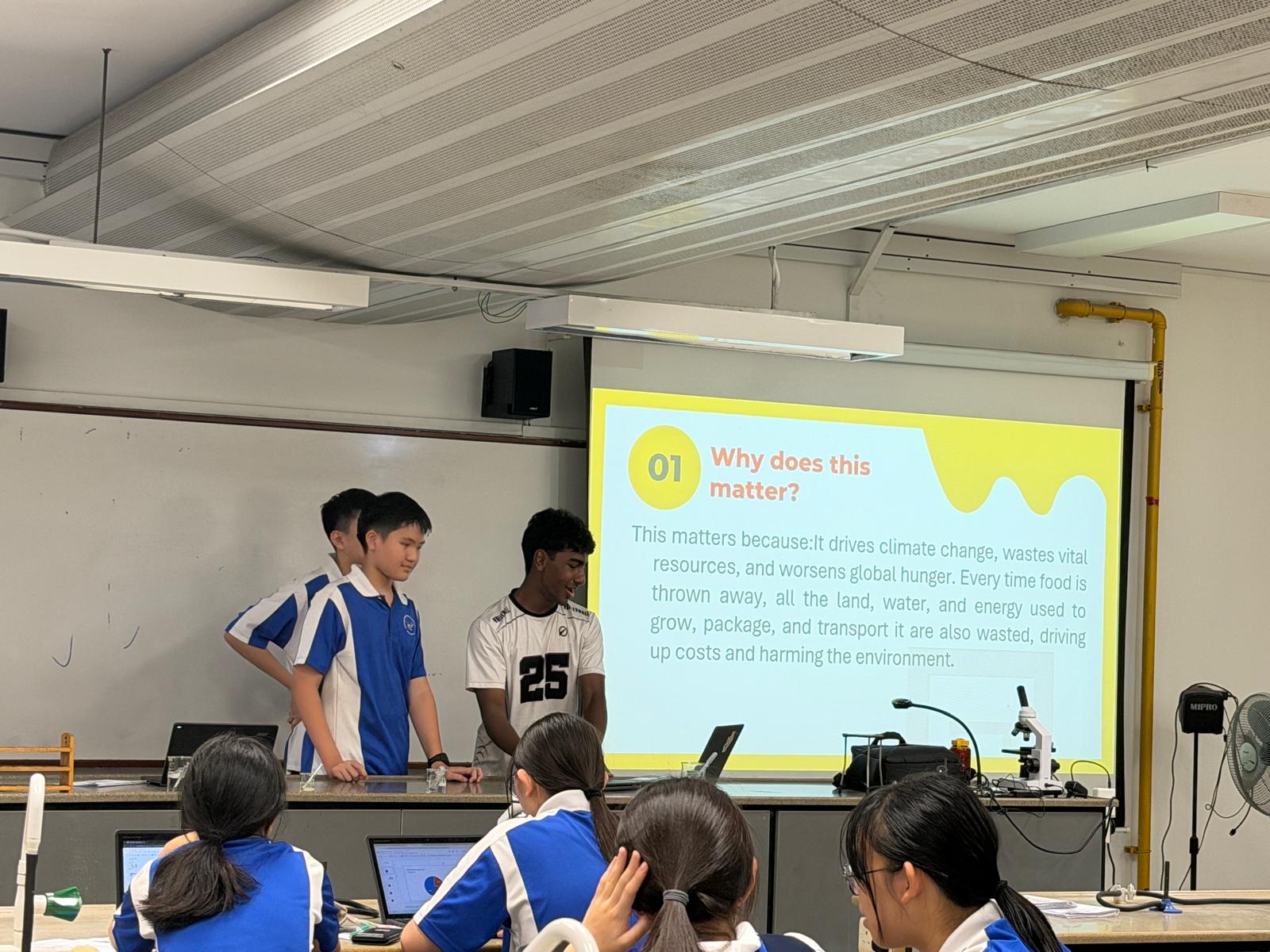
Through the JeWel Programme, students deepen their mathematical understanding and develop higher-order thinking through enrichment and interdisciplinary STEM projects.
By investigating authentic challenges, students apply computational thinking, explore patterns, analyse data and collaborate to develop creative solutions.
Mathematics Competitions
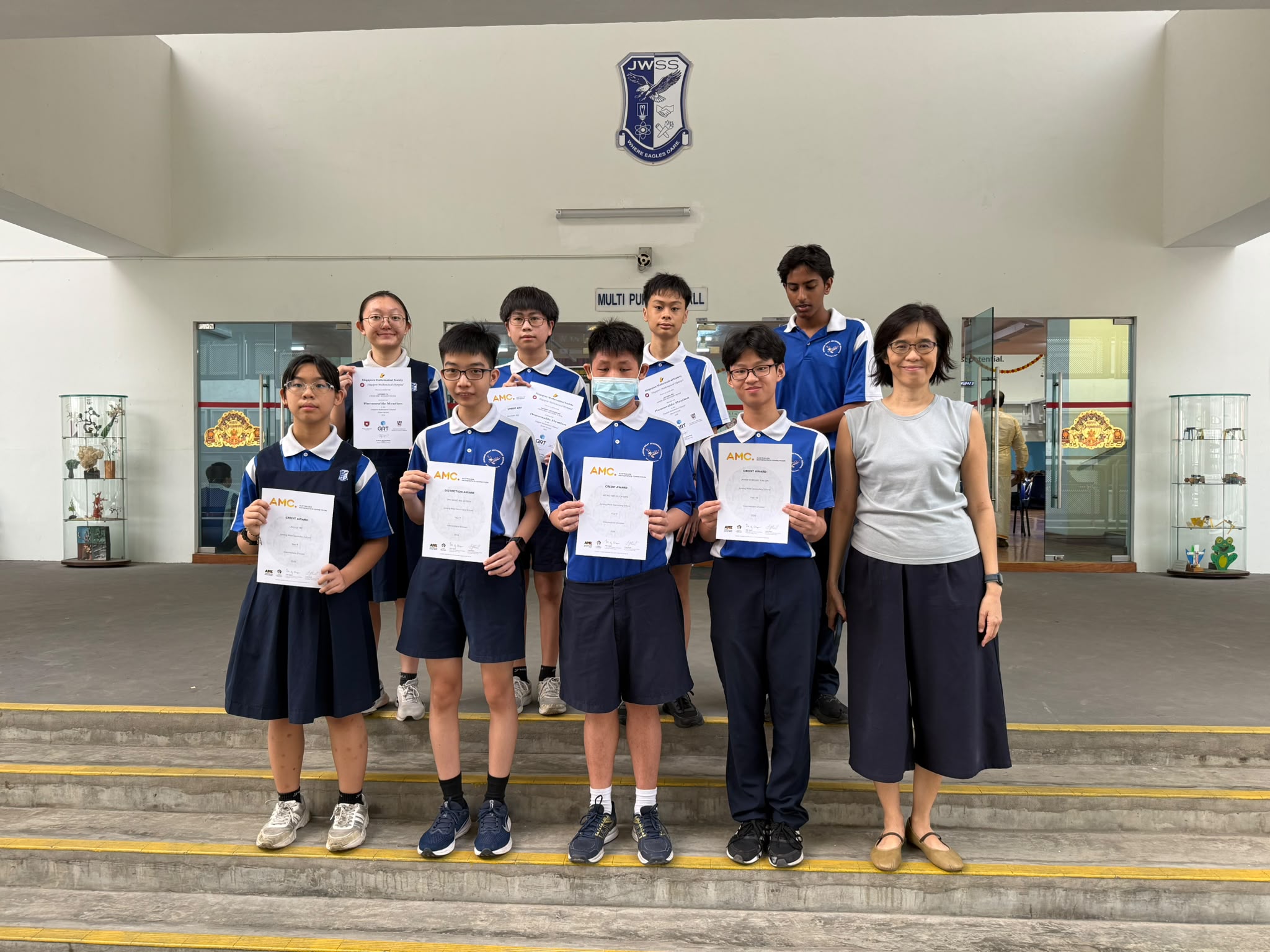
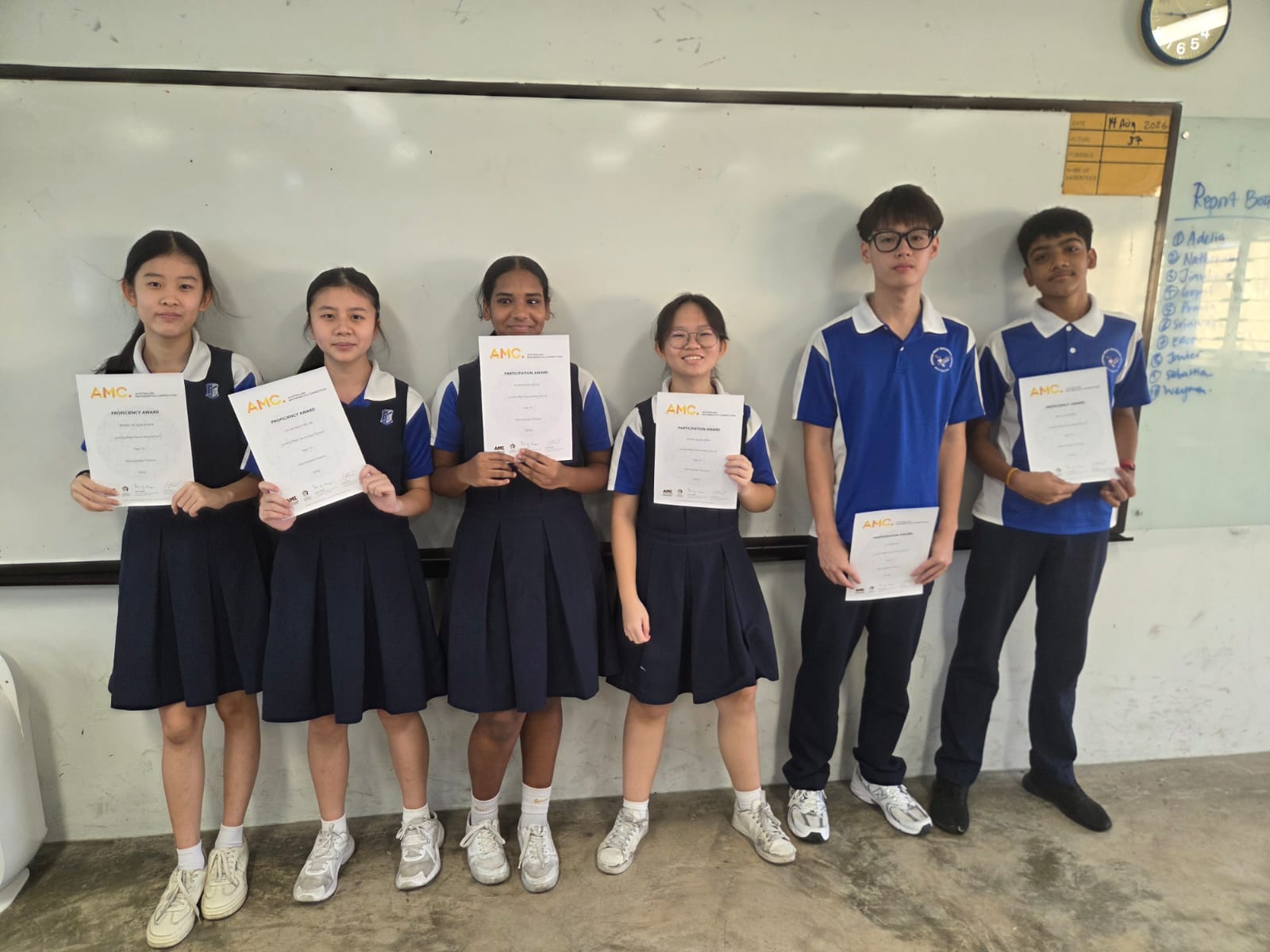
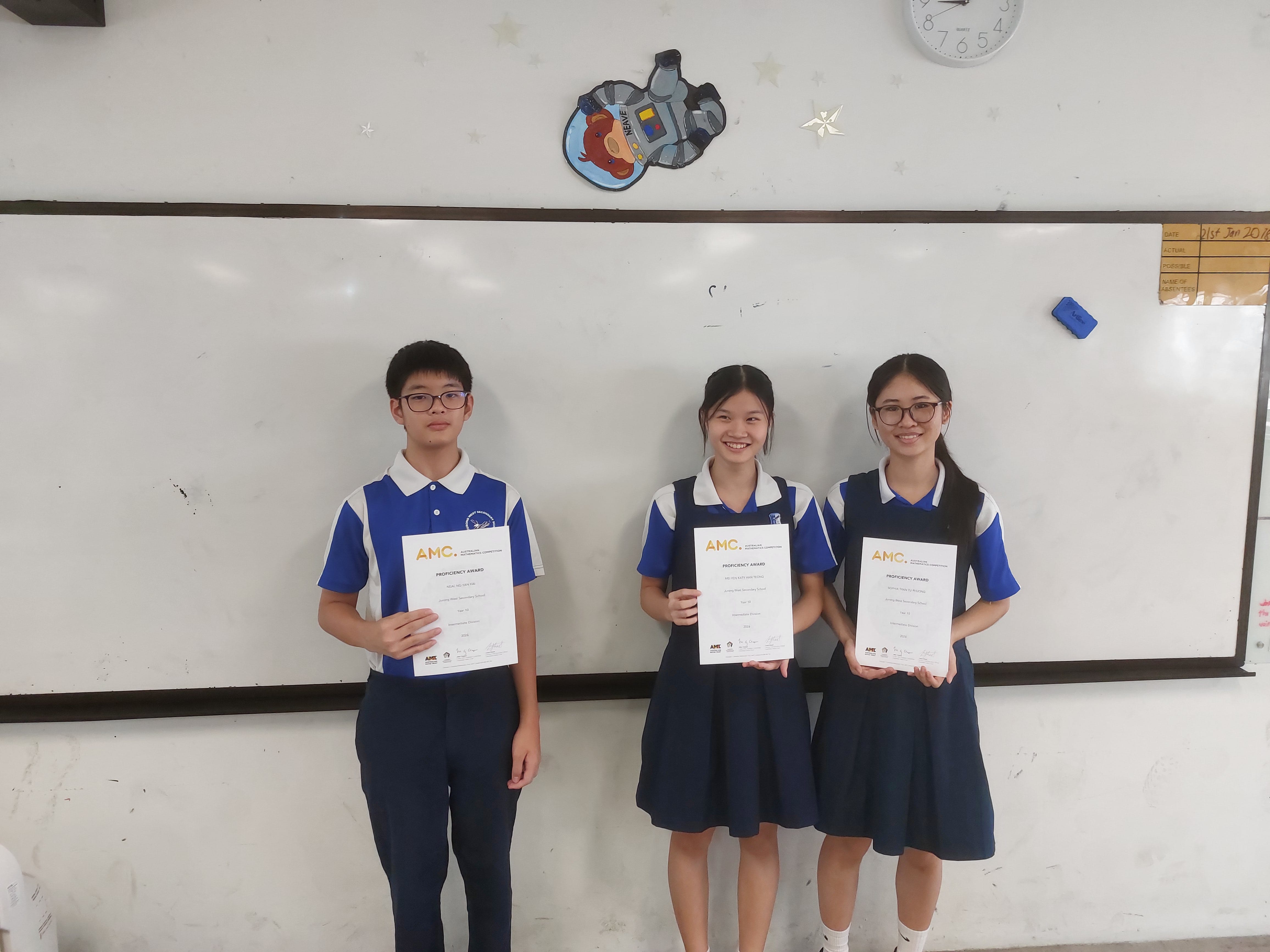
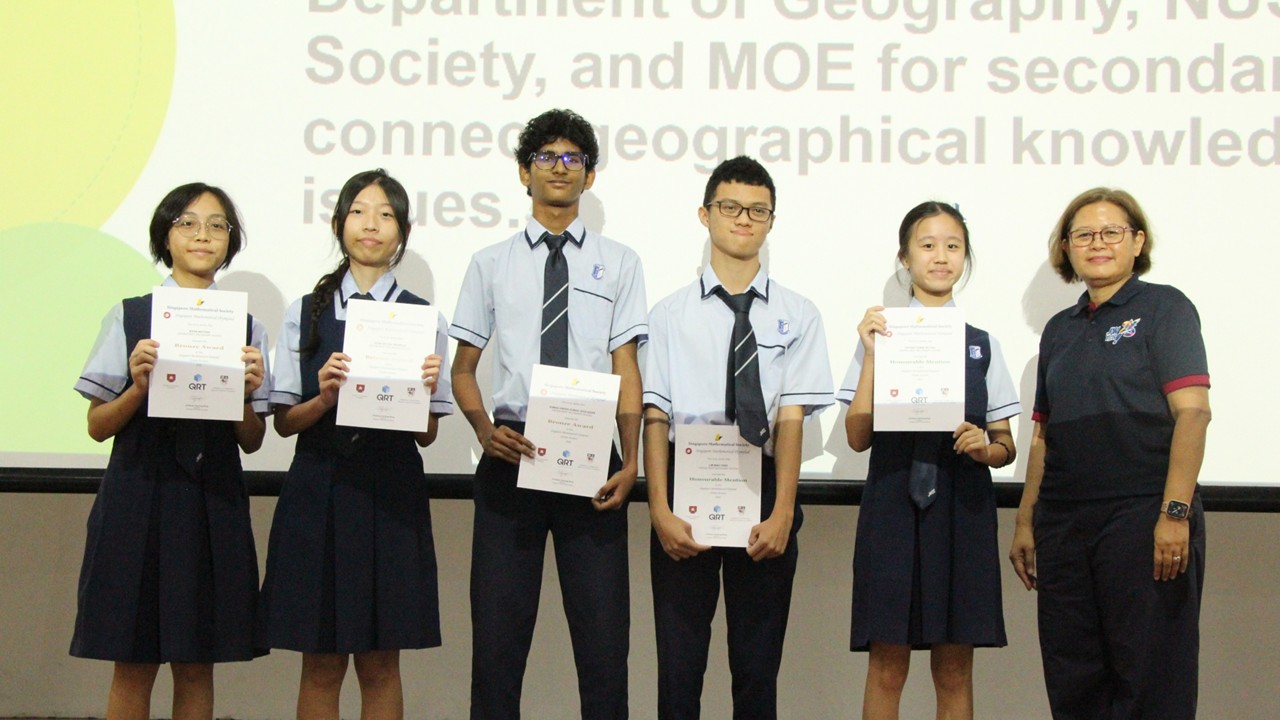
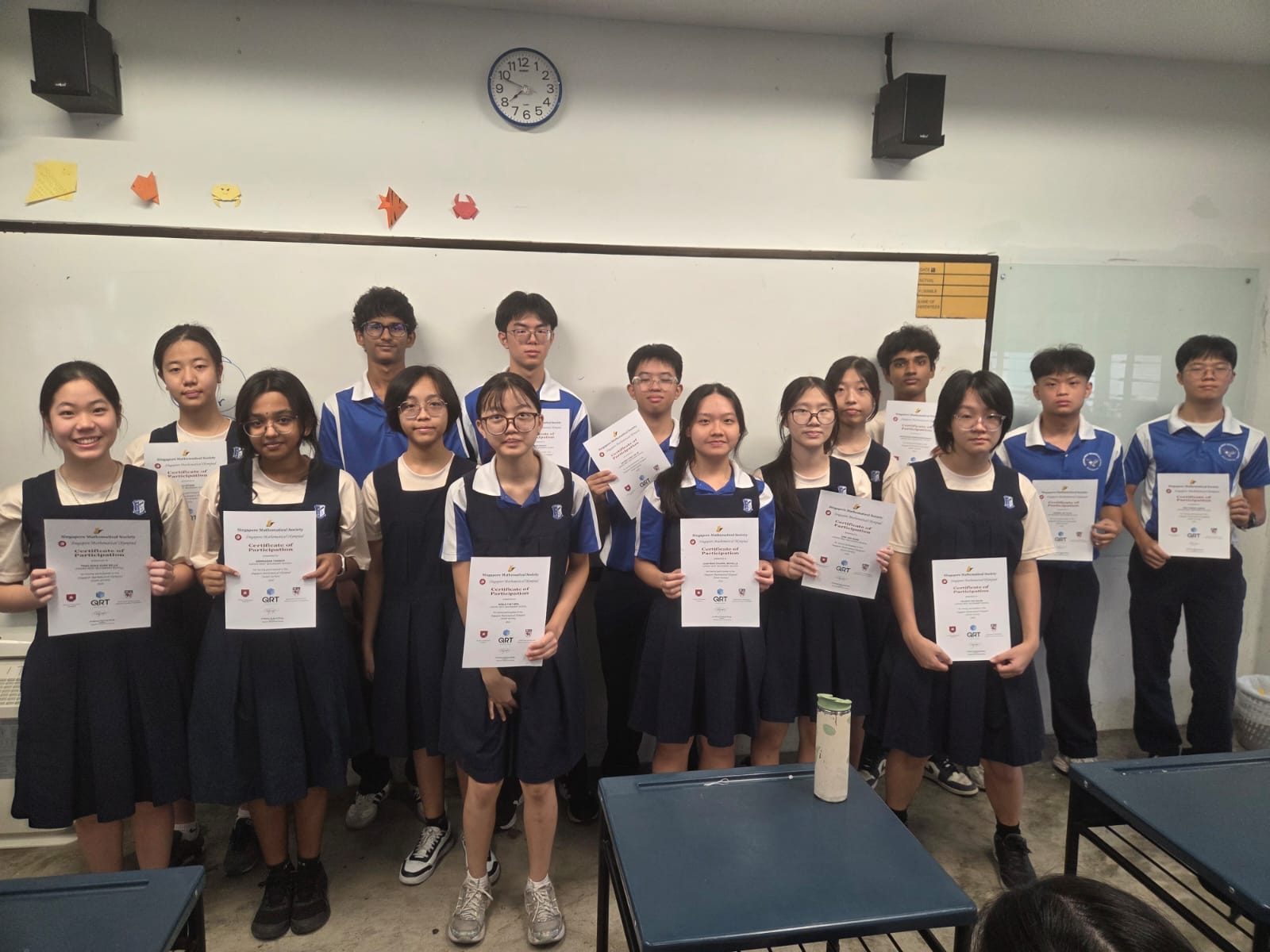
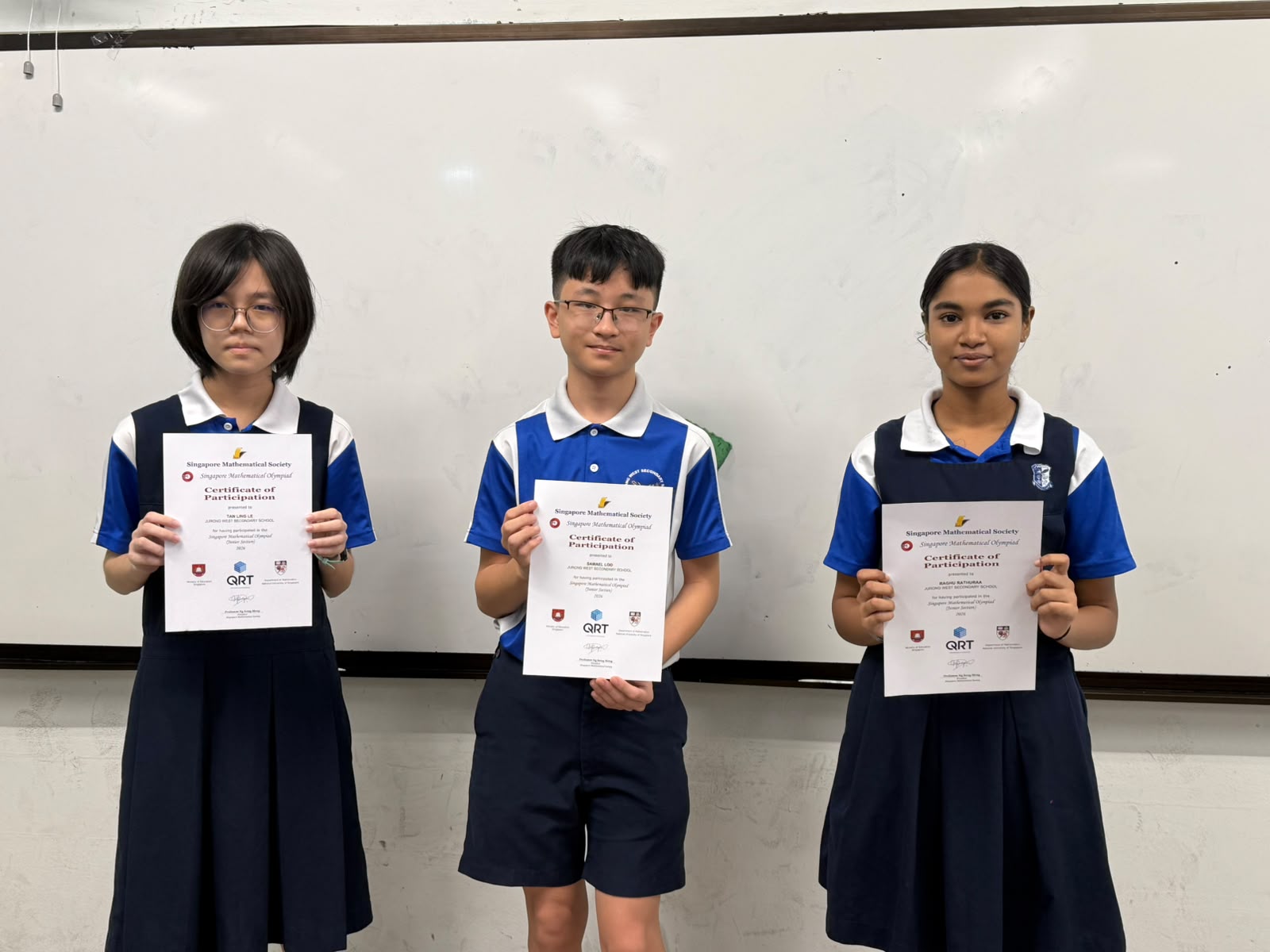
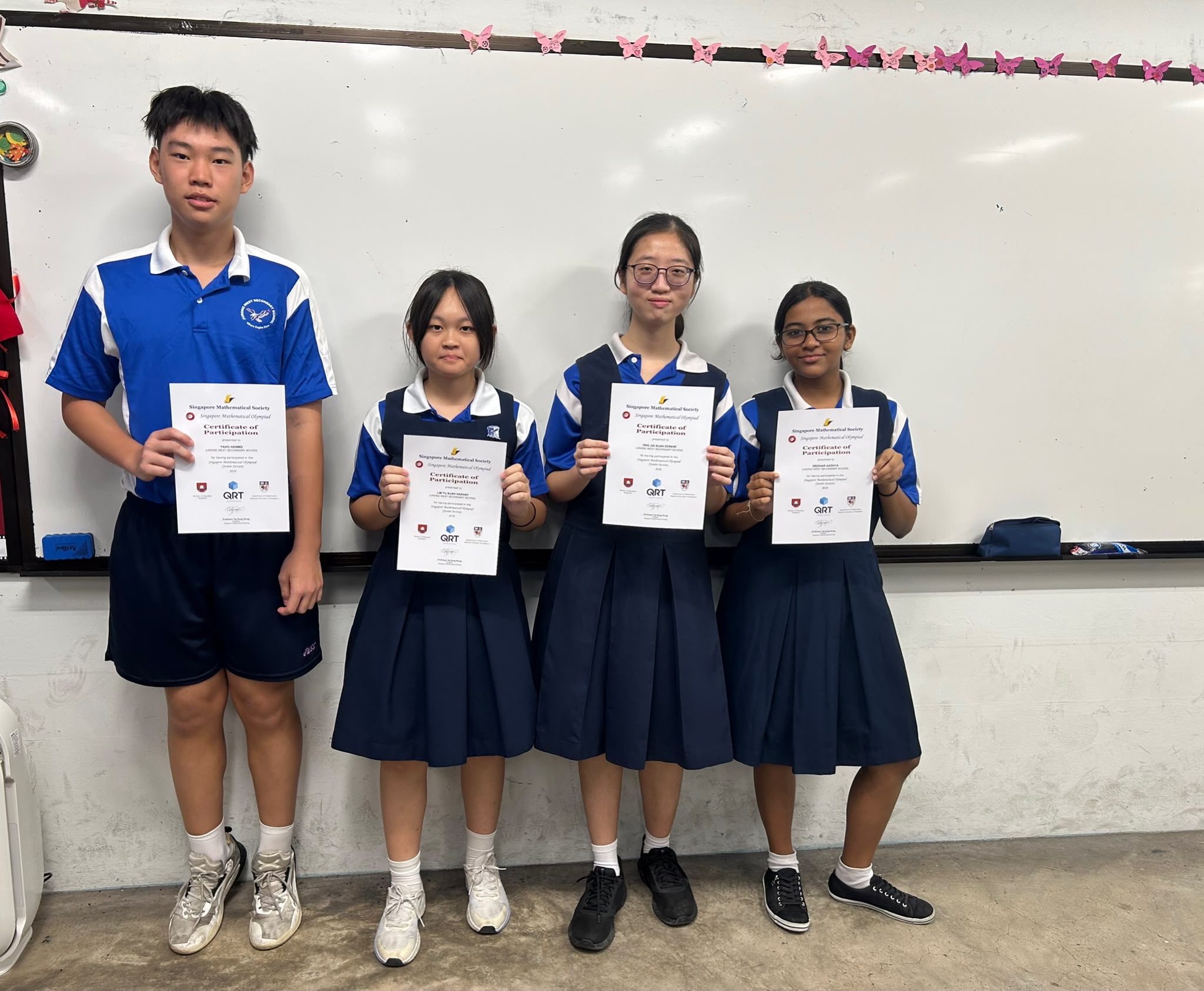
Congratulations to all our participants and award winners for daring to think, embracing challenges and striving for excellence!
Singapore Mathematical Olympiad (SMO)
Students tackle non-routine mathematical problems that stretch their logical reasoning and critical thinking. Through these challenges, they develop creative problem-solving strategies, mathematical rigour and a deeper appreciation of Mathematics.
Australian Mathematics Competition (AMC)
Students challenge themselves with thought-provoking mathematical questions that develop logical reasoning, problem-solving and perseverance. The competition encourages students to apply mathematical concepts creatively and appreciate Mathematics beyond the classroom.