Applied Learning Programme (ALP) at JWSS
Harnessing Technology for Innovation and Real-World Applications
Harnessing Technology in Authentic Contexts
Introduction
At Jurong West Secondary School (JWSS), our Applied Learning Programme (ALP) aims to develop students as confident and responsible users and creators of technology. Through authentic, hands-on learning experiences, students explore how technology can be harnessed to address real-world challenges and contribute meaningfully to society.
The programme emphasises digital literacy, computational thinking, inventive and design thinking, encouraging students to think critically, solve problems creatively and develop innovative solutions.
Our ALP adopts a progressive two-year approach through Code for Fun (CFF) in Secondary 1 and AI for Fun (AIFF) in Secondary 2. Students build foundational coding and digital-making skills before progressing to explore Artificial Intelligence (AI), its applications and its implications for society.
Through these experiences, students are empowered to move beyond being consumers of technology to become thoughtful, creative and responsible digital innovators.
Our Two-Year ALP Journey

Secondary 1: Code for Fun (CFF)
Building Foundations in Coding, Computational Thinking and Digital Making
The Secondary 1 Code for Fun programme introduces students to fundamental programming concepts and computational thinking through engaging, hands-on activities.
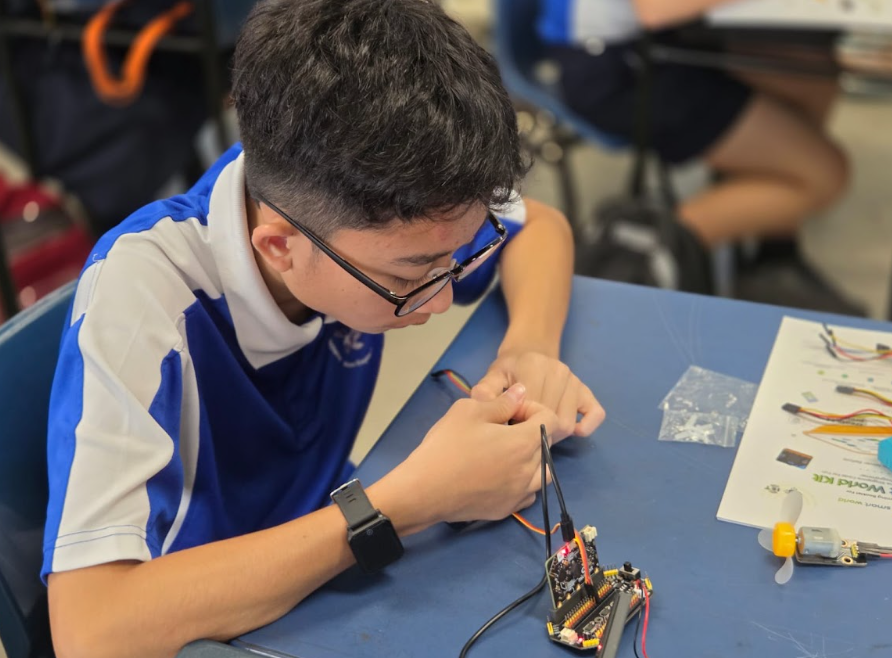
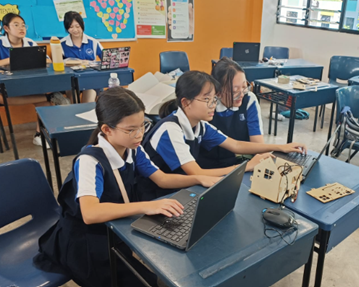
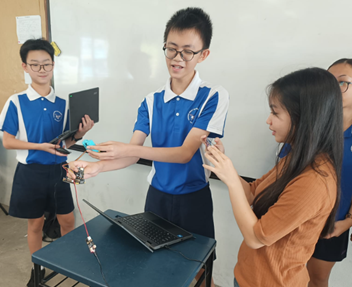
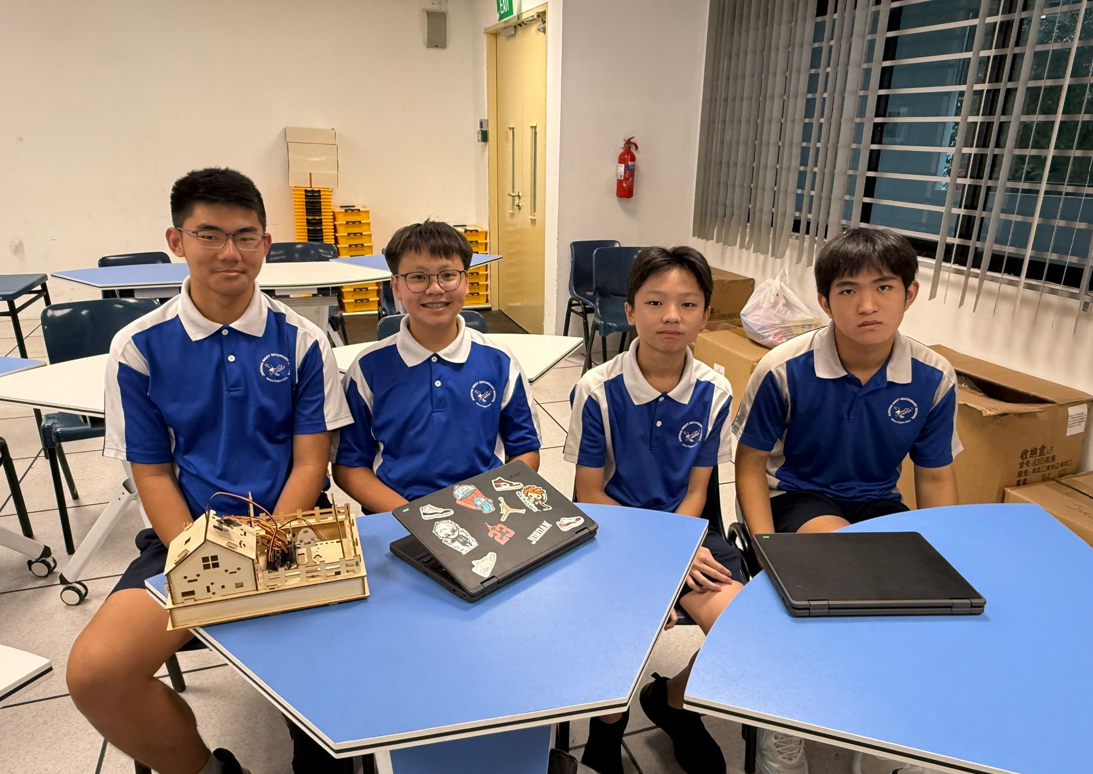
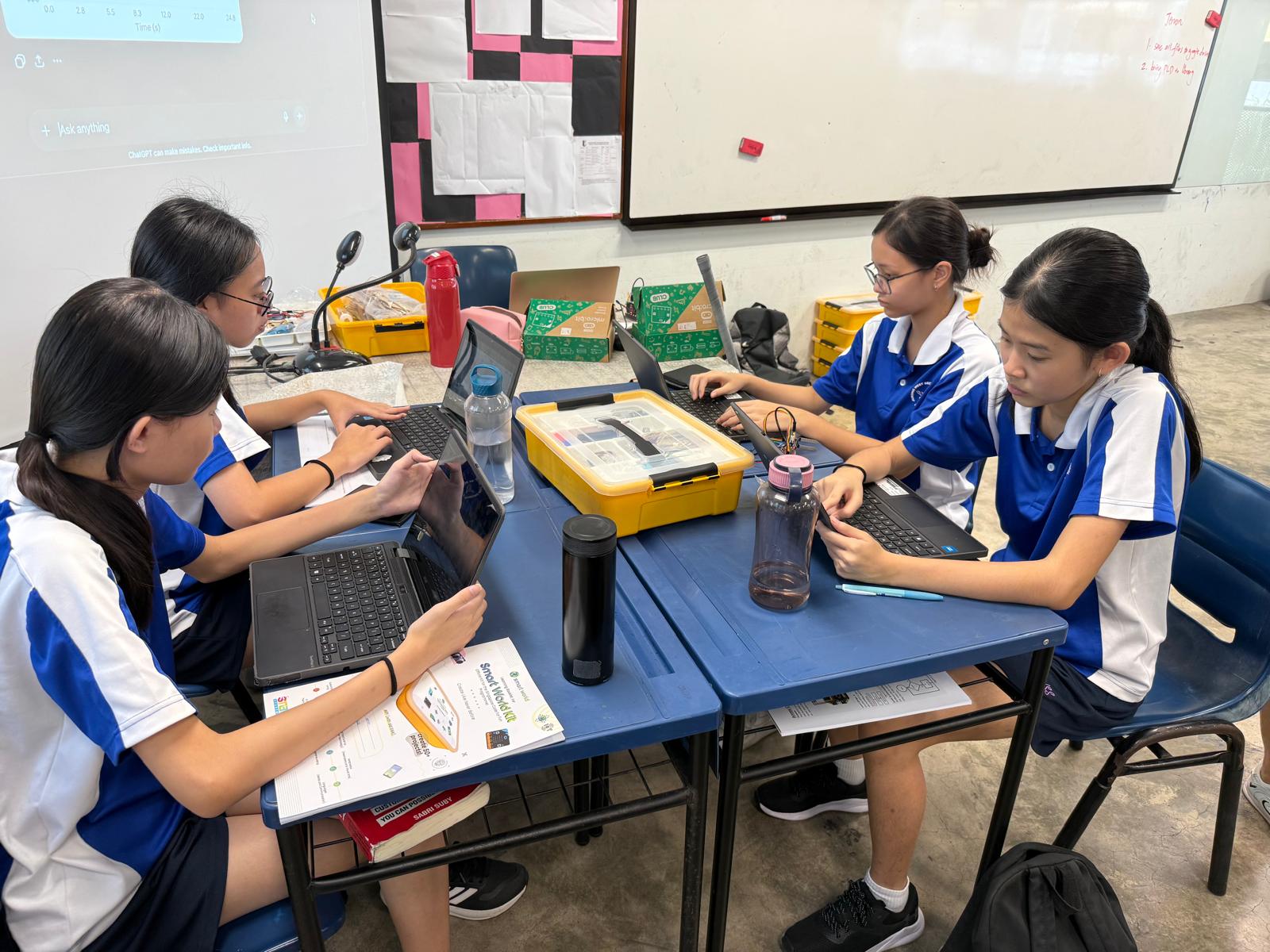
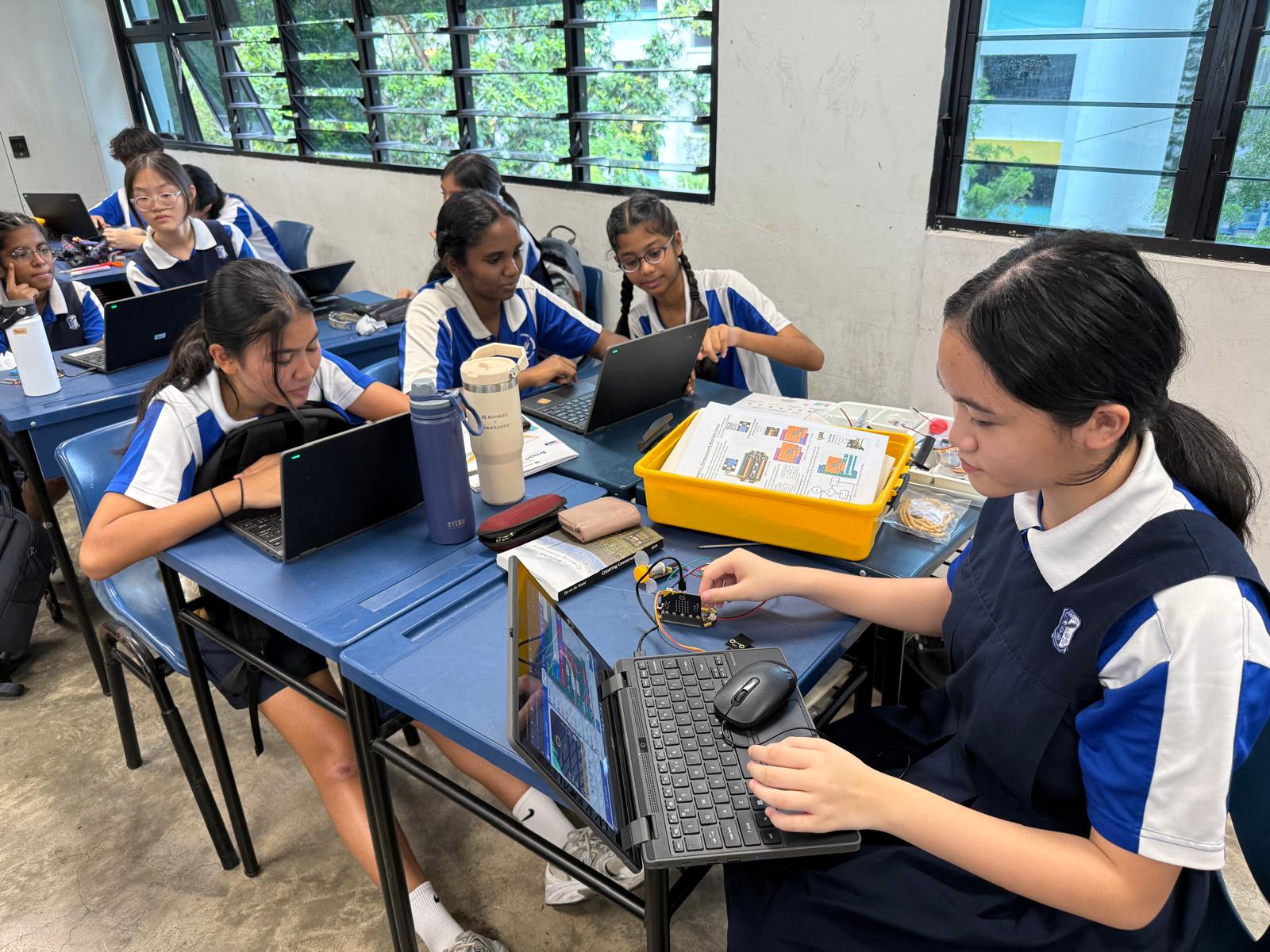
Using block-based programming and microcontrollers such as the micro:bit, students learn to design, code and develop simple interactive solutions. Through experimentation, testing and refinement, they develop logical reasoning, problem-solving skills and creativity.
The programme also introduces inventive and design thinking, encouraging students to identify problems, explore possibilities and apply their learning to practical situations.
Through CFF, students:
Develop foundational coding and computational thinking skills.
Explore physical computing through microcontroller-based projects.
Apply inventive and design thinking to develop practical solutions.
Strengthen digital literacy, creativity and collaborative problem-solving skills.
These learning experiences lay the foundation for students to become confident digital creators who can use technology purposefully and responsibly.
Secondary 2: AI for Fun (AIFF)
Exploring Artificial Intelligence and Its Real-World Applications
Building on the digital and computational thinking foundations developed in Secondary 1, the Secondary 2 AI for Fun programme introduces students to the rapidly evolving world of Artificial Intelligence.
Students explore how AI works, its applications in everyday life and how emerging technologies are transforming the way we learn, work and interact.
Through hands-on activities, students gain exposure to generative AI, Large Language Models (LLMs) and prompt engineering. They learn to interact effectively with AI tools, evaluate AI-generated responses and understand the importance of data quality, accuracy and bias.
The programme also connects AI concepts with mathematical thinking and real-world problem-solving, while encouraging students to consider the ethical and societal implications of AI.
Through AIFF, students:
Develop foundational understanding of AI and its applications.
Explore generative AI, Large Language Models and prompt engineering.
Apply computational, mathematical and design thinking to real-world scenarios.
Evaluate AI-generated information critically and recognise issues relating to data quality and bias.
Develop awareness of the ethical and societal implications of AI and the importance of responsible use.
Through AIFF, students become more informed, discerning and responsible users of AI, equipped with the knowledge and skills to navigate an increasingly AI-enabled world.
Developing JWSS Future-Ready Competencies
Our ALP supports the development of JWSS Future-Ready Competencies, which draw reference from MOE's 21st Century Competencies and the EdTech Masterplan 2030. Through Code for Fun and AI for Fun, students develop competencies across four interconnected domains.
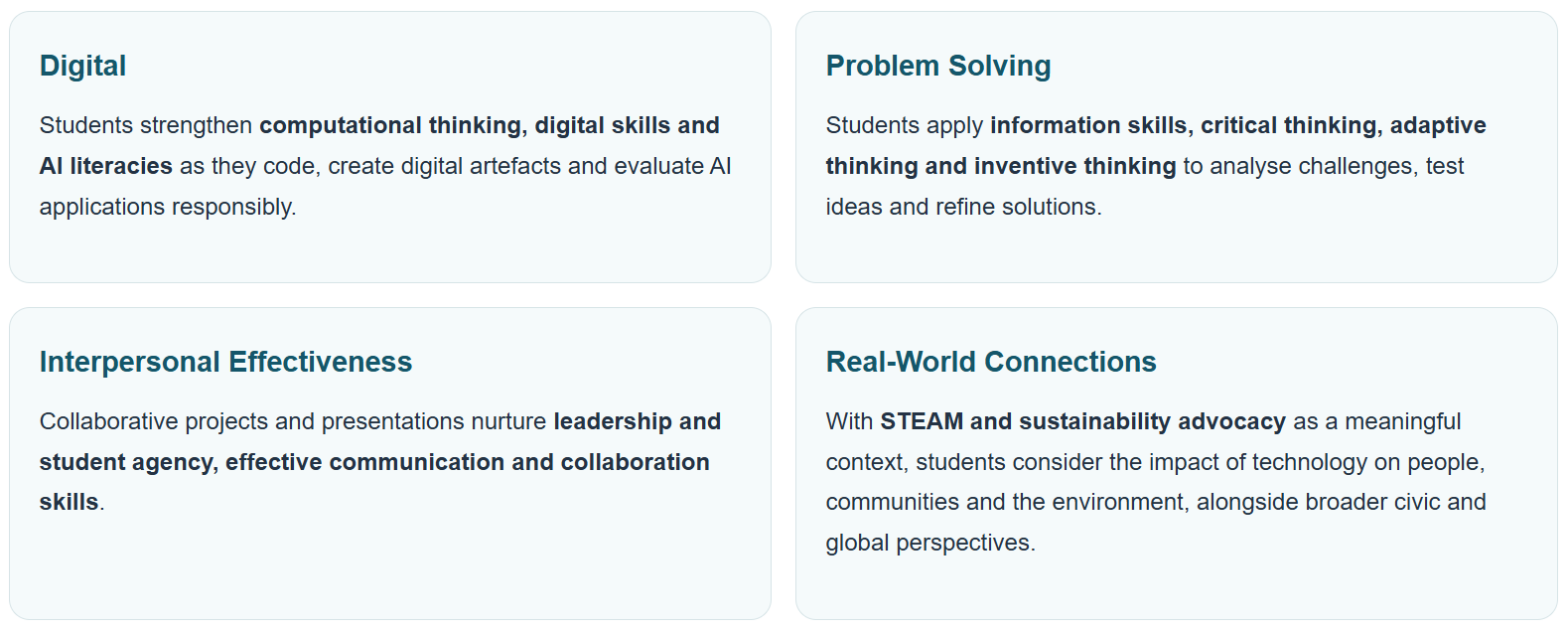
In both CFF and AIFF, sustainability provides a common theme for applying learning to authentic challenges. Students progress from digital making and programming in Secondary 1 to exploring AI-enabled possibilities and ethical considerations in Secondary 2.
Alignment with MOE’s EdTech Masterplan 2030
MOE’s EdTech Masterplan 2030 envisions technology-transformed learning to prepare students for a technology-transformed world. One of its outcome goals is to nurture digitally empowered, future-ready learners and innovators.
At JWSS, the ALP contributes to this student outcome by providing purposeful opportunities to explore, create and evaluate with technology. The two-year CFF–AIFF journey builds students’ confidence and capabilities progressively:
Digital empowerment and literacy: Students build foundational coding and digital-making skills in CFF and develop AI literacy in AIFF, learning to use digital tools effectively and responsibly.
Active and personalised learning: Hands-on tasks invite students to experiment, test ideas, learn from feedback and refine their approaches at an appropriate level of challenge.
Collaboration and problem-solving: Students apply computational, critical and design thinking as they discuss ideas, develop solutions and communicate their learning.
Future readiness and responsible innovation: Students explore emerging technologies, examine AI bias and ethical considerations, and consider how technology can address authentic challenges, including sustainability.
In this way, ALP@JWSS complements the school’s Future-Ready Competencies framework and supports the Masterplan’s focus on students as active, discerning and creative participants in a technology-transformed world.
Connecting Learning to Real-World Applications
A key feature of ALP@JWSS is the emphasis on applying knowledge and skills in authentic contexts.
Across both levels, students are encouraged to explore real-world issues, generate ideas, experiment with technologies and reflect on how their solutions can make a positive difference.
The programme provides opportunities for students to:
Connect knowledge across disciplines: Apply concepts from Computing, Mathematics and other subjects to practical situations.
Think creatively and critically: Explore different approaches to solving problems through computational and design thinking.
Innovate through technology: Develop digital solutions and explore emerging technologies.
Exercise digital responsibility: Consider the impact of technology on individuals, communities and the environment.
Through these experiences, ALP@JWSS seeks to nurture adaptable learners and innovative thinkers who are empowered to use technology responsibly for the benefit of society.
Learning Beyond the Classroom
Beyond the structured CFF and AIFF programmes, ALP@JWSS seeks to enrich students' learning through opportunities to explore technological developments and their applications in authentic settings.
Such experiences extend students' exposure to digital innovation, encourage curiosity and deepen their appreciation of how technology can be used to address societal and environmental challenges.
Through our ALP, we aspire to nurture students who are not only digitally competent but also possess the creativity, confidence and sense of responsibility to shape a better future through technology.
Past ALP Highlights
JWSS has a history of student-led technology projects, exhibitions and enrichment experiences. Earlier initiatives included digital media and application development, physical computing, school showcases and IMDA Lab on Wheels activities. These are historical examples of the programme's development and do not describe the current CFF and AIFF curriculum.
A Multitude of Opportunities (2016 - 2022)
ALP Presentation to Second Minister for Finance and Education
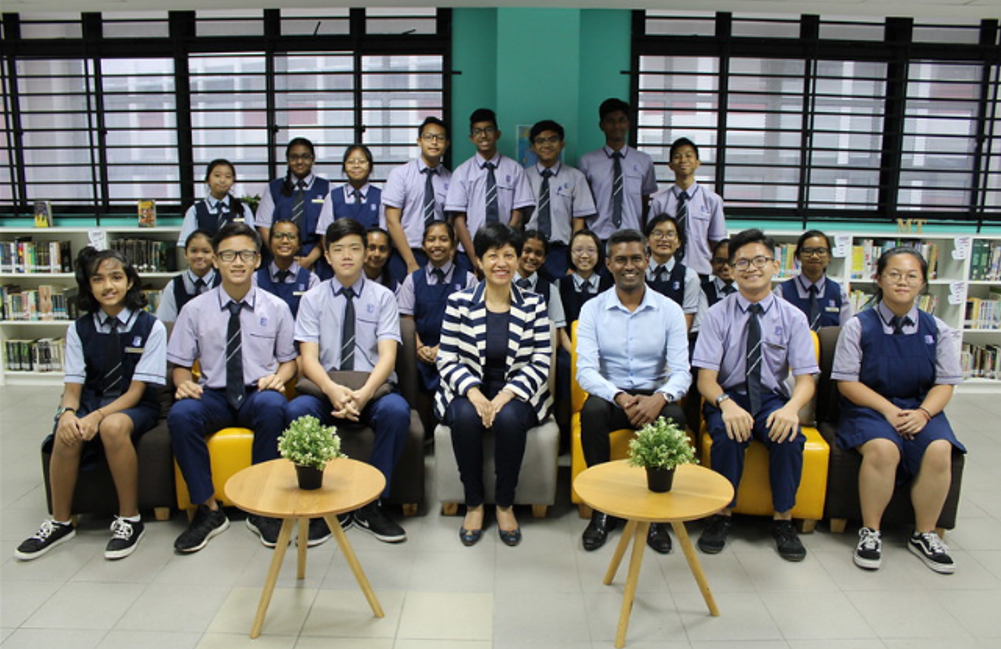
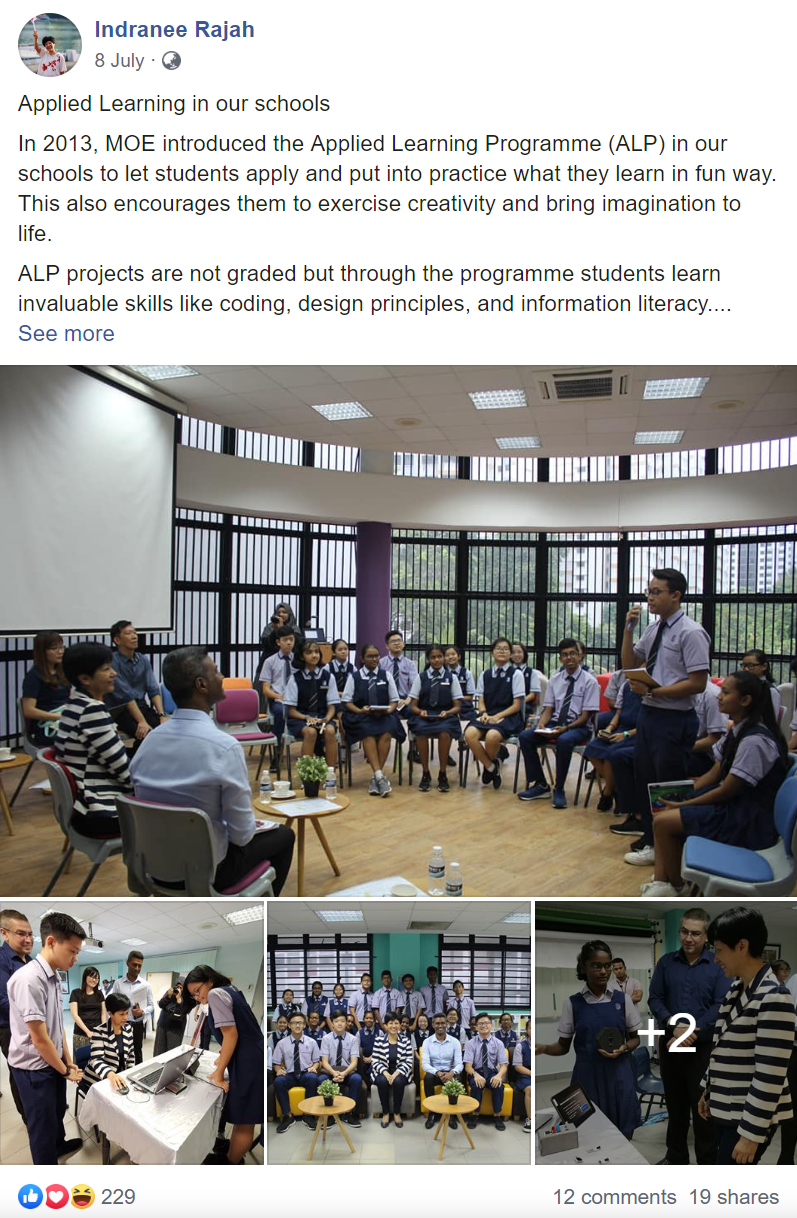
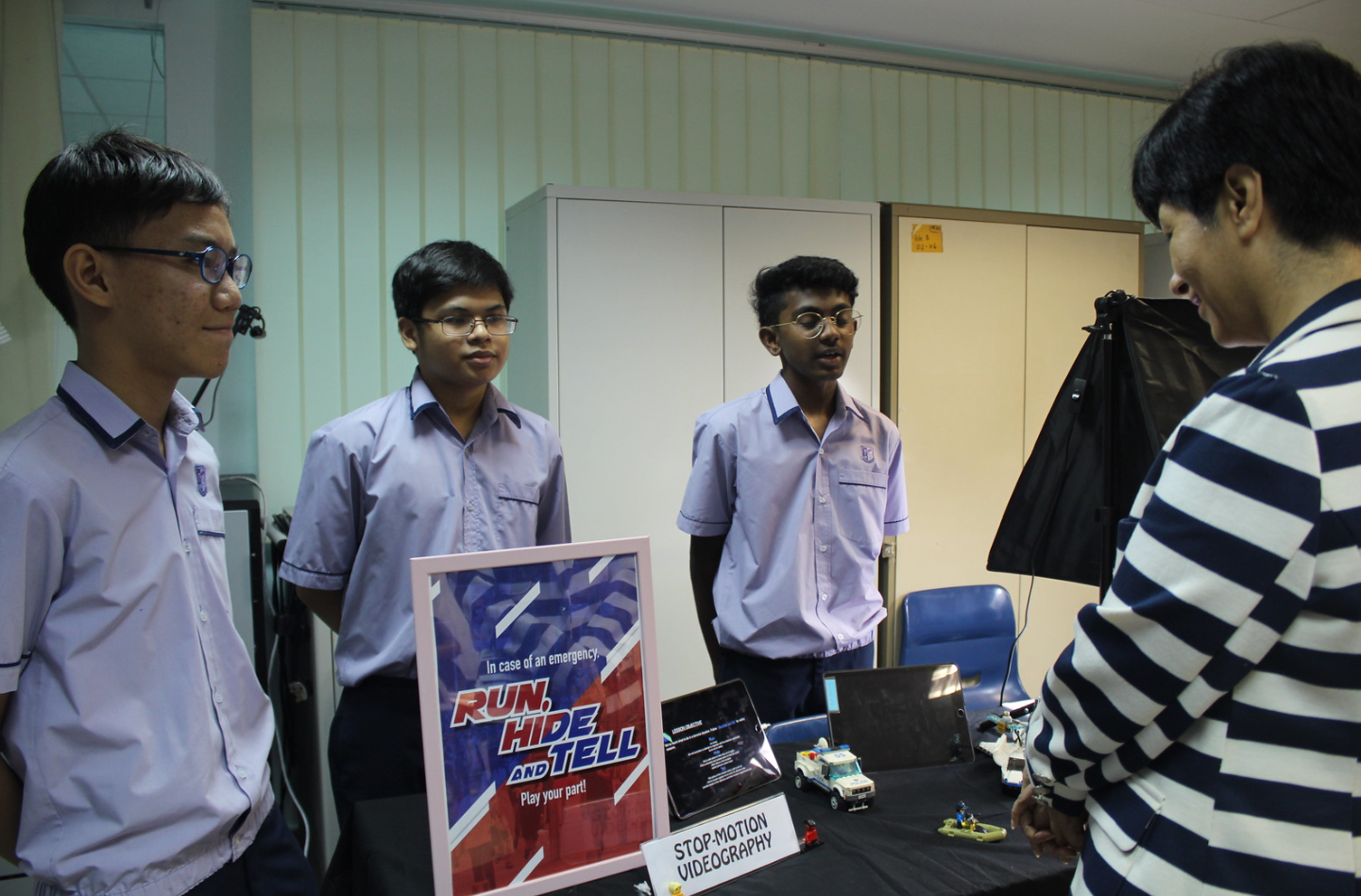
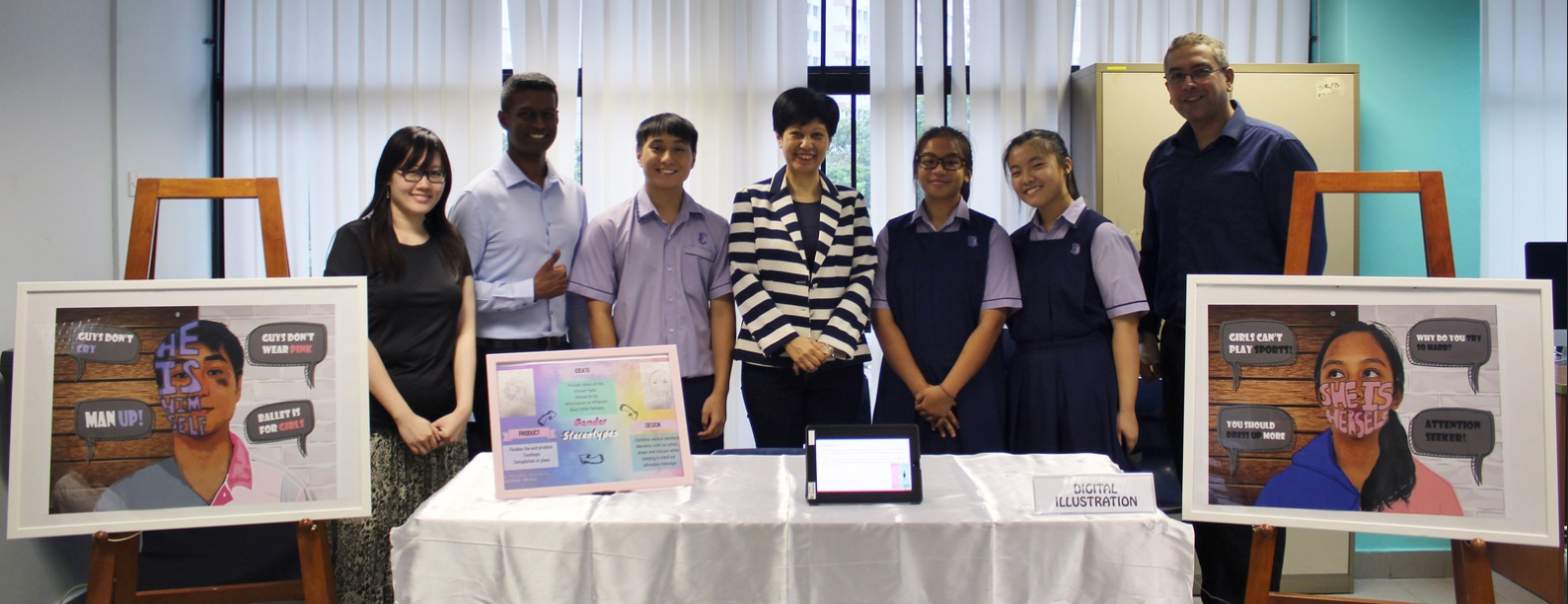
In July, our students had the privilege of presenting their solutions to Second Minister for Finance and Education, Ms Indranee Rajah, who visited our school to understand more about our ALP and lauded the students for their innovation solutions to issues such as terrorism, senior care and bullying. Our students also received letters of commendation and gifts from the Ministry of Home Affairs for their stop motion production on counter-terrorism.
ALP Showcase at the Singapore Youth Festival Celebrations
At the Singapore Youth Festival Celebrations in July, students presented their solutions to the community as well as MP Dr Intan Azura Mokhtar and empowered the intergenerational crowd to apply elements of art and principles of design to advocate for a social cause that they are passionate about.
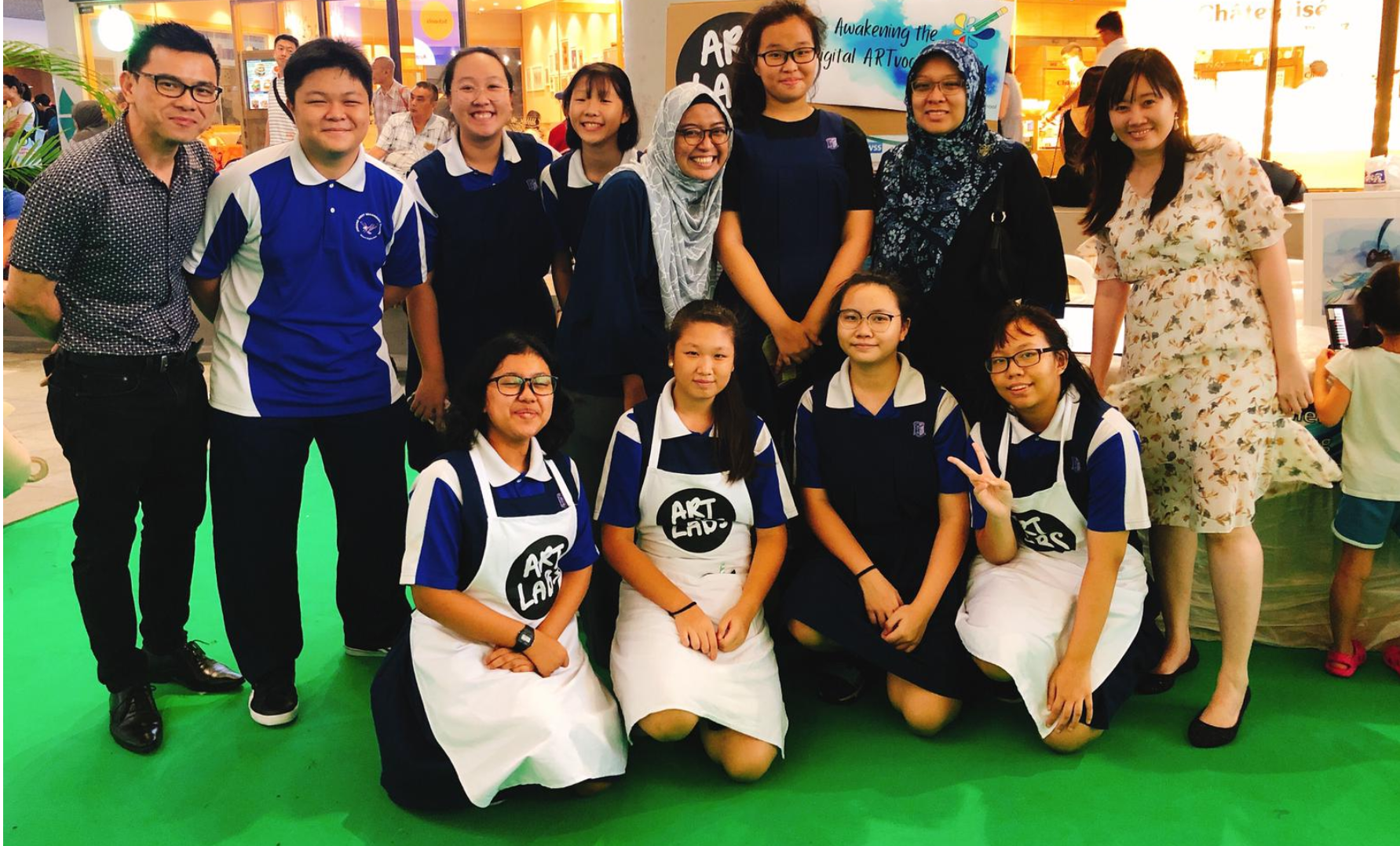
With MP Dr Intan Azura Mokhtar after the presentation Awakening the Digital ARTvocate in You.
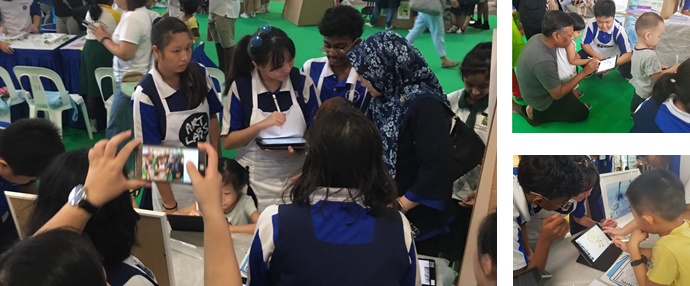
The team demonstrating, to Dr Intan and the community, how the knowledge and skills of ICT, English and Art are applied to create powerful advocacy messages
IMDA Lab on Wheels@JWSS
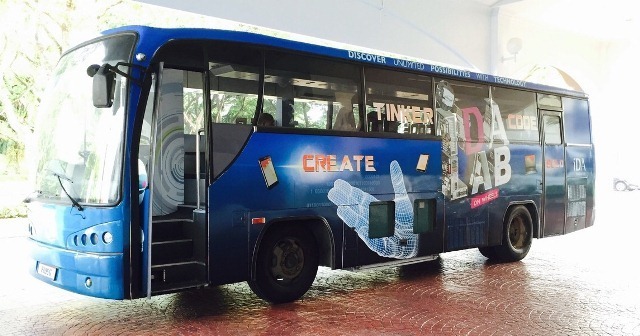
The Infocomm Media Development Authority (IMDA) Labs on Wheels were at JWSS over the span of three days, approximately 400 students and teachers visited the buses and all Secondary Two students attended exclusive workshops conducted by the IMDA instructors during the Applied Learning Programme (ALP) lessons.
The IMDA Lab on Wheels is a Mobile Fabrication and Technology Showcase bus that travels to schools to provide fun, engaging and experiential learning to excite students about technology. On board the buses, JWSS students had their hands-on experience with a plethora of cutting-edge technologies, including robotics, Virtual Reality, drones and 3D modelling and printing. In addition, the Secondary Two students learnt to programme an orb-shaped robot – Sphero – to ‘dance’ to a tune, flashing lights and spinning and moving rhythmically.
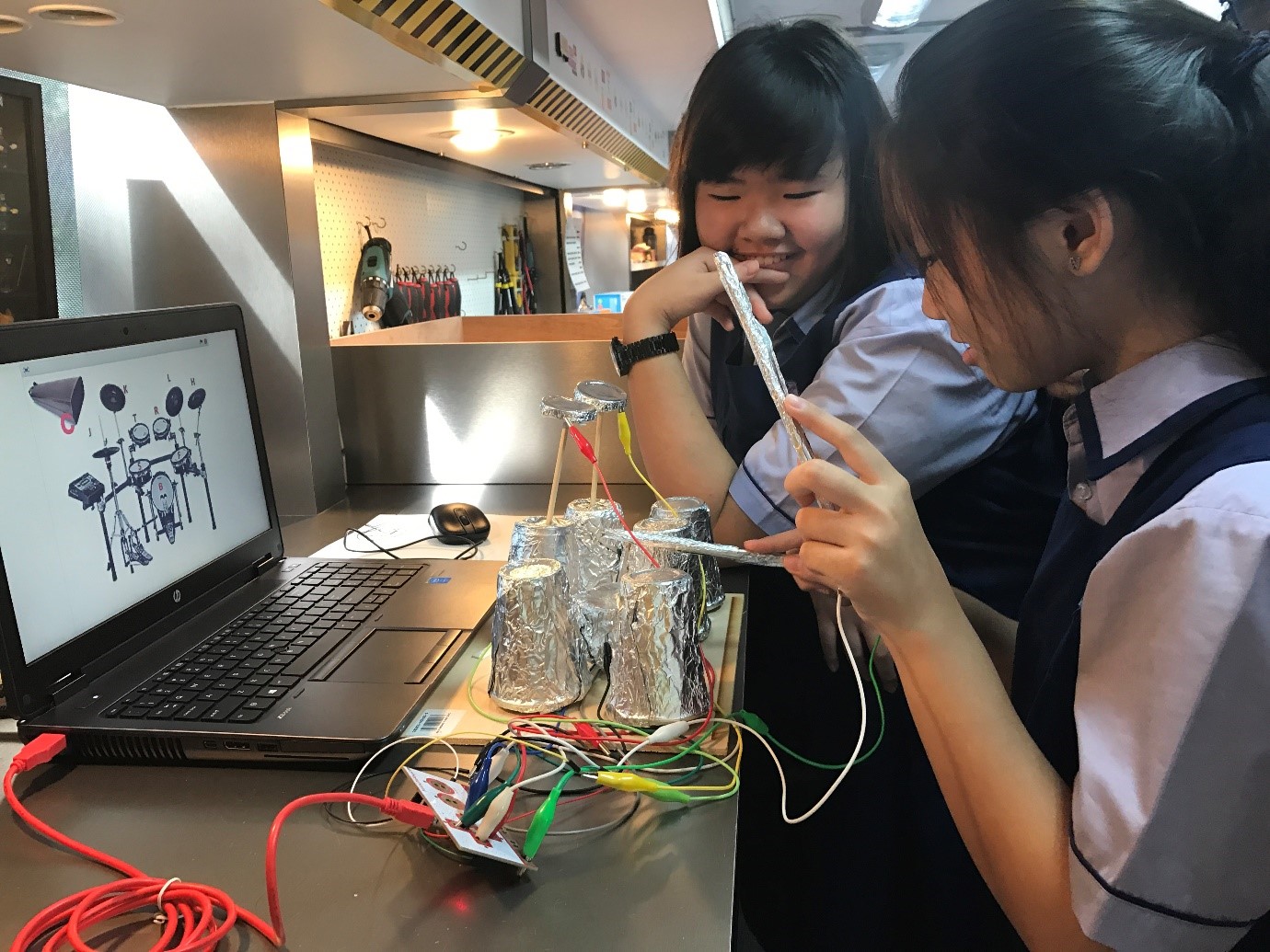
Here, a student is exploring music creation with a drum machine programmed with MaKey MaKey and Scratch
ALP Showcase@JWSS
The students’ two-year journey on the ALP culminates in an exhibition where students showcase and present their ICT-based solutions which come in varied digital modes to the rest of the school.